
The United States is set to host high-level talks this week on the future of rare earth supplies, bringing together finance and economic officials from the Group of Seven and key partner economies. The meeting reflects growing concern among advanced economies about their dependence on China for materials that are essential to modern industry — and the strategic vulnerabilities that reliance creates.
According to Canadian officials, Finance Minister François-Philippe Champagne will travel to Washington for discussions with his G7 counterparts, with U.S. Treasury Secretary Scott Bessent chairing the talks. The agenda will center on strengthening global supply chains for critical minerals, particularly rare earth elements that are vital for technologies ranging from electric vehicles and wind turbines to semiconductors and advanced defense systems.
Rare Earths Move to the Center of Economic Security
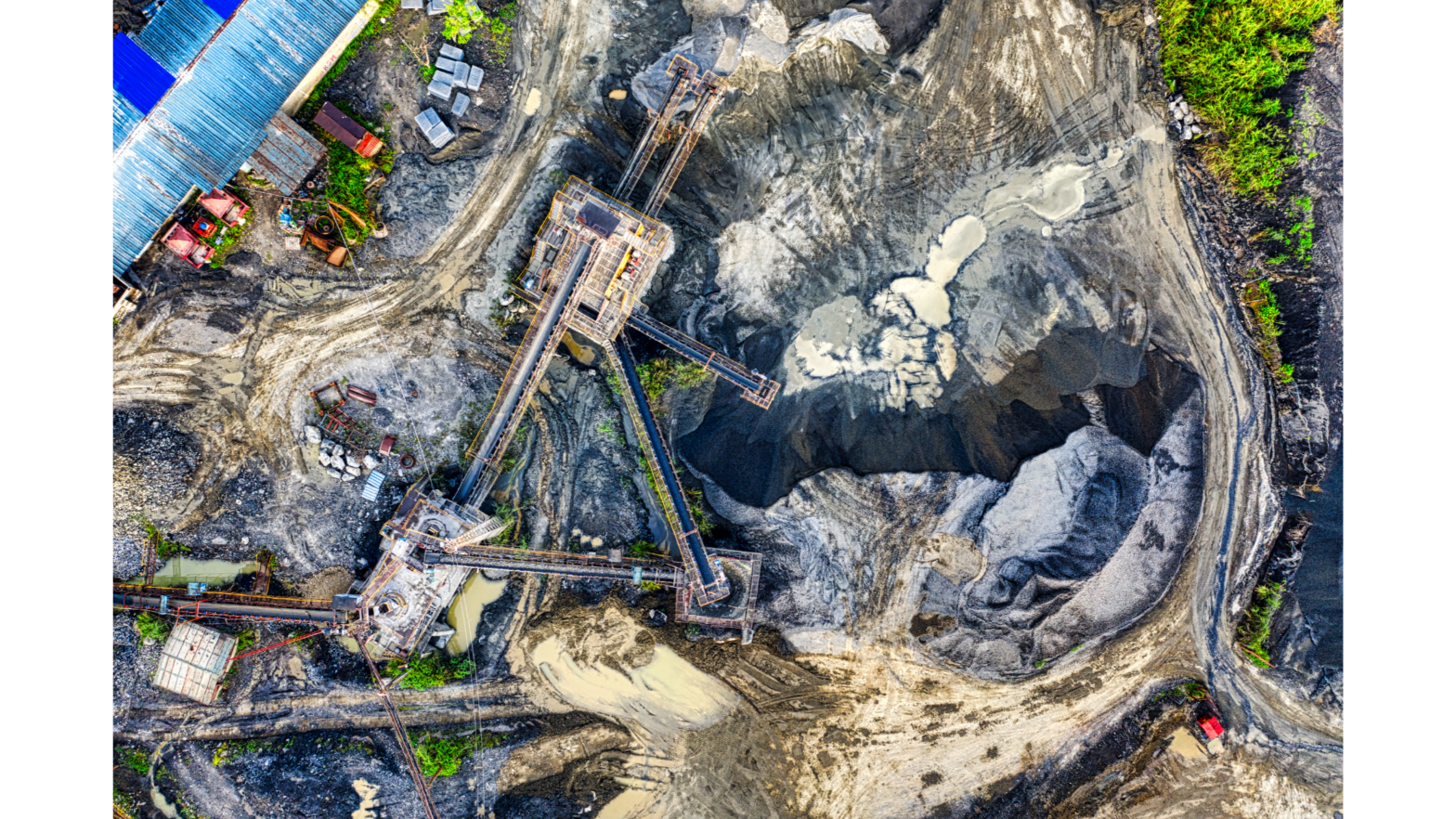
Rare earth elements, a group of 17 minerals, play an outsized role in high-tech manufacturing despite their relatively small market size. China currently dominates the sector, accounting for the majority of global mining, processing and refining capacity. While these materials are not truly rare, extracting and processing them is costly and environmentally complex, which has allowed China to build a near-monopoly over decades.
For the United States and its allies, this concentration has become an economic and geopolitical concern. Recent trade frictions in East Asia — including rising tensions between China and Japan — have reinforced fears that access to critical minerals could be leveraged as a political or economic tool during disputes.
Broader Participation Signals Global Scope
In addition to the G7 nations, the Washington talks are expected to include representatives from Australia, South Korea, India, Mexico and the European Union. Many of these countries are either significant producers of raw materials, key manufacturing hubs or both, making them central to any effort to diversify supply chains.
Australia, for example, holds substantial rare earth reserves, while South Korea and Japan are major consumers due to their advanced manufacturing sectors. India and Mexico are increasingly seen as potential partners in processing and downstream manufacturing, as companies seek alternatives to China-centric production networks.
From Dependence to Diversification
Officials are expected to explore ways to reduce reliance on a single dominant supplier by encouraging investment in mining, refining and recycling capacity across multiple regions. This includes supporting new projects, coordinating industrial policies and sharing best practices on environmental and labor standards.
Another key focus is likely to be the development of so-called “friend-shored” supply chains, where production is spread among politically aligned countries. By doing so, governments hope to improve resilience while limiting exposure to sudden export controls or supply disruptions.
Strategic Timing Amid Rising Tensions
The timing of the meeting is notable. Concerns over rare earth access have intensified as diplomatic strains between China and Japan simmer, adding urgency to discussions among U.S. allies. While China has not formally restricted rare earth exports in this context, past actions — including limits on critical minerals during earlier trade disputes — have left a lasting impression on policymakers.
As a result, rare earths are increasingly viewed not just as commodities, but as strategic assets tied to national security, industrial competitiveness and long-term economic stability.
A Long Road Ahead
Despite shared objectives, reducing dependence on China will not be quick or easy. Building new mines and processing facilities can take years, and environmental opposition remains a challenge in many countries. Still, the Washington meeting signals a growing consensus among advanced economies that collaboration is essential.
By aligning policies and pooling resources, the U.S. and its partners aim to reshape the global rare earths market — not to exclude China entirely, but to ensure that no single country holds disproportionate influence over materials that underpin the modern economy.