
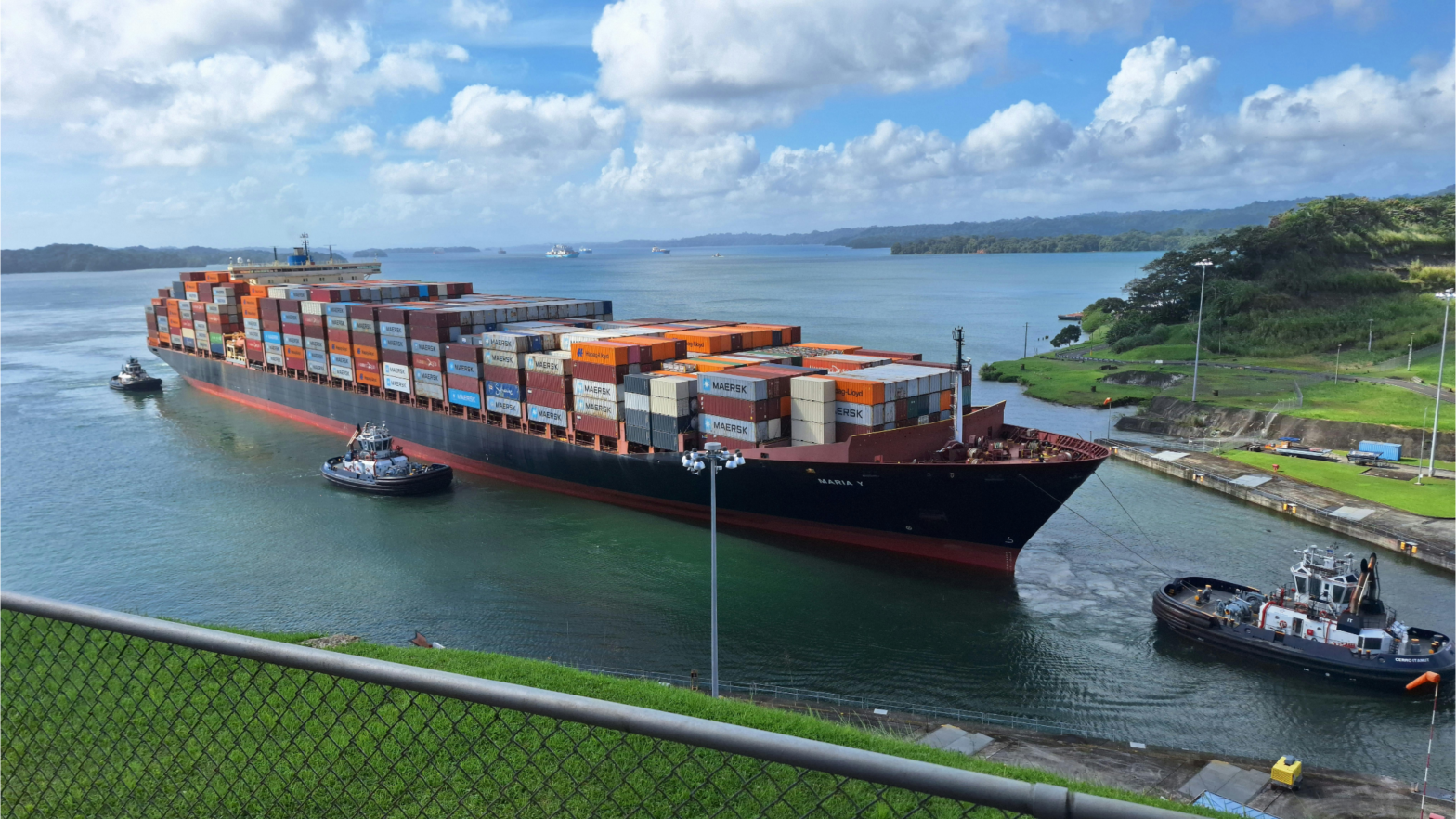
Panama’s decision to cancel Chinese-linked port contracts at both ends of the Panama Canal marks more than a routine legal ruling — it reflects a broader geopolitical shift in the region. By voiding the concessions held by a Hong Kong–based firm, Panama has effectively reduced China’s footprint at one of the world’s most critical trade chokepoints, while strengthening U.S. influence in the Western Hemisphere.
The Panama Canal is vital to global commerce and especially important to the United States, which relies on it for a large share of container traffic. Although the port operator was technically a private company, its ties to China placed the deal under growing scrutiny as concerns mounted over foreign control of strategic infrastructure. Panama’s Supreme Court cited legal and procedural flaws in the contracts, framing the move as a matter of sovereignty and rule of law.
For Beijing, the ruling represents a symbolic and strategic setback. China has invested heavily in ports, energy projects, and infrastructure across Latin America, viewing the region as a key part of its global trade ambitions. Losing access to major canal terminals weakens its leverage and highlights rising resistance to Chinese involvement in sensitive assets.
The United States, meanwhile, stands to gain. The decision aligns with Washington’s broader push to counter China’s influence near critical shipping routes and reinforce its historical role in the region. While trade through the canal continues uninterrupted, the outcome signals tougher scrutiny of future foreign investments.
Ultimately, the Panama case shows that global competition is no longer just about trade volumes — it is increasingly about who controls the infrastructure that keeps the world economy moving.