
Tucked away among the outer Chichibu mountains, the quiet town of Ogawa in Saitama Prefecture is far removed from the rolling vineyards usually associated with winemaking. Surrounded by rice fields and sustained by clean mountain water, the area is better known for agriculture than wine. Yet it is precisely these qualities that attracted winemaker Yuzo Fukushima, who saw potential where few others had looked.
At Musashi Winery, Fukushima has taken a path that runs counter to many conventions of modern winemaking. His philosophy is rooted in minimal intervention and respect for the natural environment. From vineyard to bottle, the winery avoids fertilizers, pesticides, chemical treatments, and additives. This approach is especially demanding in Japan, where humid summers, heavy rainfall, and unpredictable weather make grape cultivation a constant challenge.
Despite these obstacles, Fukushima believes that working in harmony with nature produces wines that are more expressive of their place. The pristine water sources around Ogawa and the region’s history of organic farming provide the foundation for this experiment in natural winemaking.
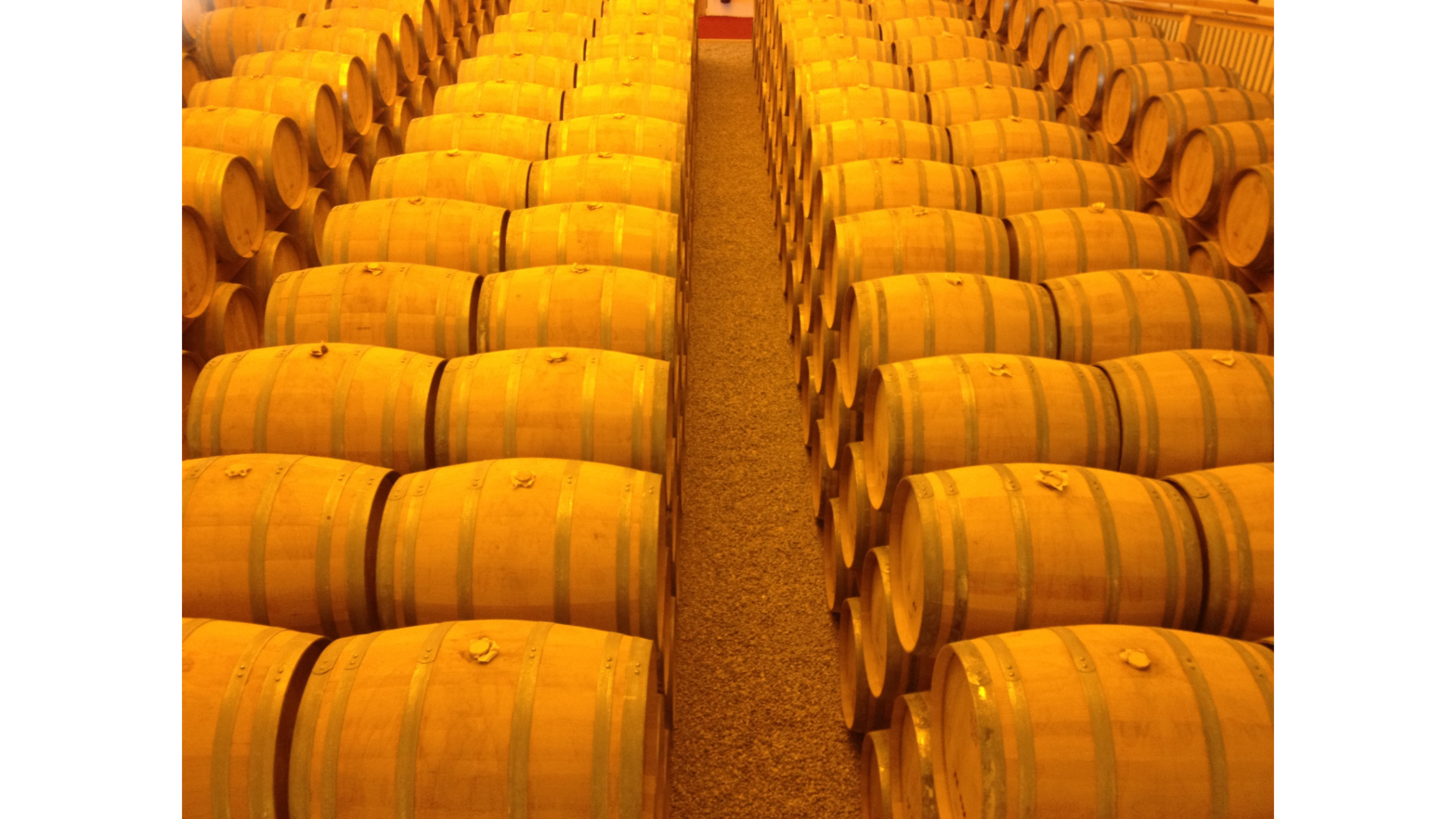
What truly sets Musashi Winery apart, however, is its approach to aging wine. Rather than relying on the French or American oak barrels commonly used around the world, the winery matures its wines in barrels made from Japanese trees. These include sugi (Japanese cedar), hinoki (Japanese cypress), and mizunara (Japanese oak) — woods traditionally associated with sake breweries and whisky distilleries, not wine cellars.
The winery’s signature red wine, made from an indigenous hybrid grape known as shōkōshi, showcases the distinctive character of this method. Aging in domestic barrels imparts subtle aromas and textures that differ from those produced by conventional oak, offering flavors that feel unmistakably Japanese. The influence of the local wood is gentle rather than overpowering, allowing the grape’s natural profile to remain at the forefront.
Using Japanese barrels is not without risk. These woods behave differently from imported oak, affecting oxygen exchange and flavor development in ways that are still being explored. Yet for Fukushima, this uncertainty is part of the appeal. By embracing local materials and techniques, he is helping redefine what Japanese wine can be.
Musashi Winery’s work reflects a broader movement within Japan’s craft industries — one that values authenticity, regional identity, and experimentation over established global norms. In choosing local barrels and natural methods, Fukushima is not just making wine; he is telling a story of place, tradition, and quiet defiance.
In a country better known for sake and whisky, wines like those from Musashi Winery suggest that Japan’s vinous future may lie not in imitation, but in confidently going its own way.