
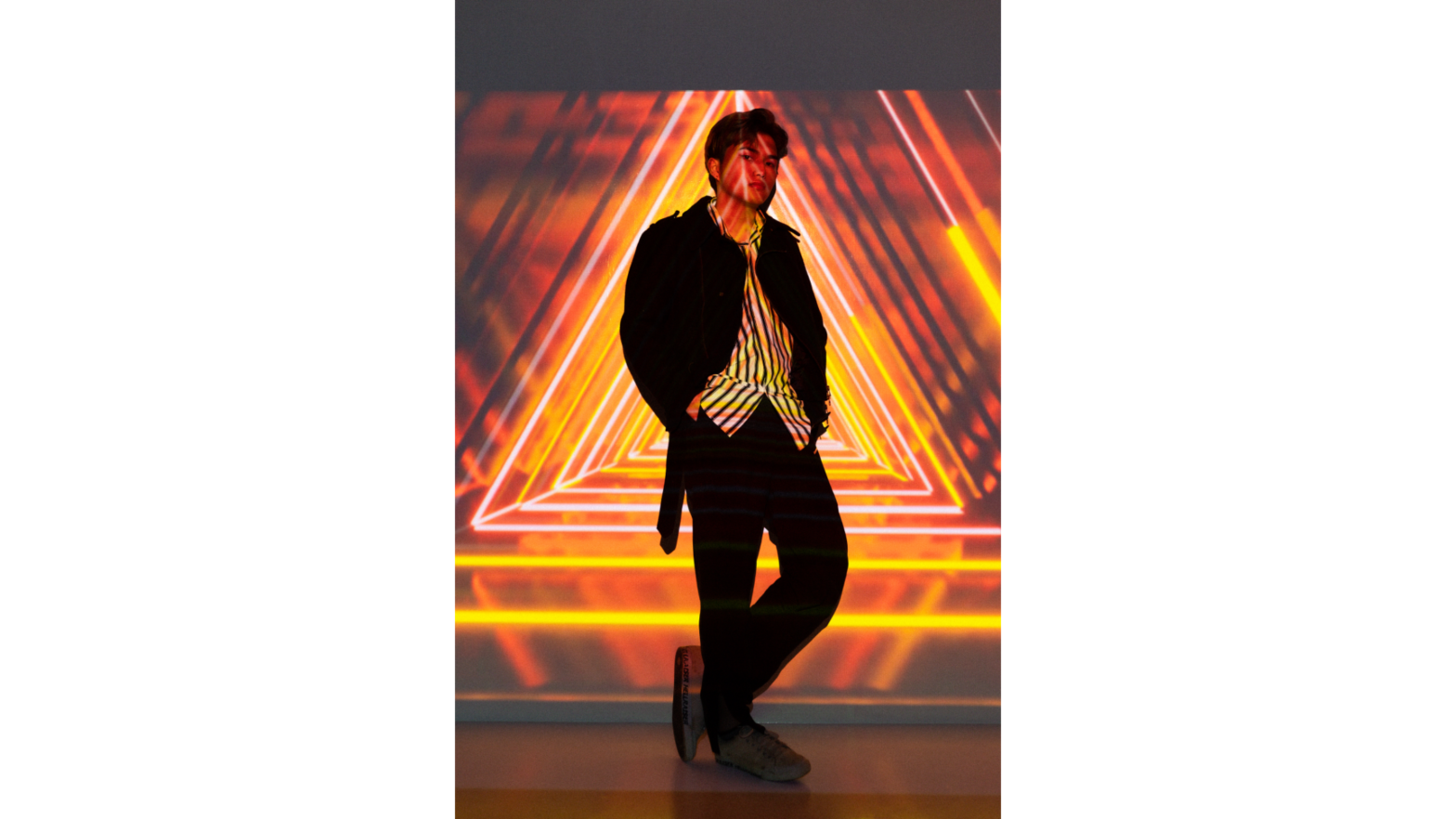
In K-pop, idols aren’t just performers — they can be superheroes, vampires, pirates or digital avatars living inside carefully constructed fictional worlds. What began as playful storytelling has gradually evolved into something far more strategic.
Over the past decade, lore in K-pop has shifted from creative embellishment to an organized production framework that connects music, branding and cross-media content.
From Concept to Continuity
Earlier generations of K-pop typically centered each comeback on a standalone concept. But some third-generation groups began experimenting with longer narrative arcs that stretched across albums and music videos.
One of the earliest large-scale examples was EXO, whose debut positioned the group within a supernatural storyline involving superpowers and a shared cosmic myth. Through cinematic teasers and symbolic lyrics, the group introduced fans to an interconnected universe rather than a single promotional cycle.
This approach demonstrated that storytelling could strengthen group identity over time, turning narrative into a branding tool.
Expanding Into Intellectual Property
The concept of lore reached a new level when artists began extending their fictional worlds beyond music.
BTS helped redefine how storytelling functioned in K-pop by weaving emotional themes of youth and growth into an ongoing narrative that unfolded across multiple albums. The group later expanded its universe into webtoons and other serialized formats, effectively transforming storylines into intellectual property that could live across platforms.
By the early 2020s, this model became more systematic. Groups such as ENHYPEN tied album releases to webtoon and animation projects built around shared themes. SM Entertainment’s aespa introduced virtual avatars and a digital universe that blended music with discussions around artificial intelligence and the metaverse. In these cases, lore was no longer just a creative choice — it became part of a broader corporate strategy.
World-building began aligning with merchandise, digital content and long-term brand planning.
When Lore Became Too Complex
Not every experiment resonated equally. Some groups attempted to merge complex storytelling with unconventional musical structures, creating ambitious but polarizing results.
As narrative frameworks grew more elaborate, casual listeners sometimes found it harder to connect with new releases. The terminology and mythology that excited dedicated fans could feel overwhelming to wider audiences.
A Return to Simplicity
By 2022, a noticeable shift occurred. Groups like NewJeans rose to prominence with straightforward, easy-listening pop largely free from elaborate fictional universes. Their success suggested that audiences were gravitating toward accessible music and relatable themes rather than layered mythology.
In a post-pandemic environment shaped by short-form video and fast-moving digital trends, songs designed for immediate impact began to take priority over long, unfolding narratives.
A Flexible Tool, Not a Requirement
Lore hasn’t disappeared from K-pop — it has simply changed roles. What started as imaginative storytelling has matured into a flexible production strategy. Entertainment companies can scale narrative elements up or down depending on audience response and market conditions.
Today, world-building is less about fantasy alone and more about long-term brand architecture.
As K-pop continues to evolve, the question is no longer whether lore belongs in the industry. Instead, it’s how prominently it should feature in an era defined by speed, platforms and global reach.
In that sense, K-pop hasn’t abandoned storytelling — it has professionalized it.