
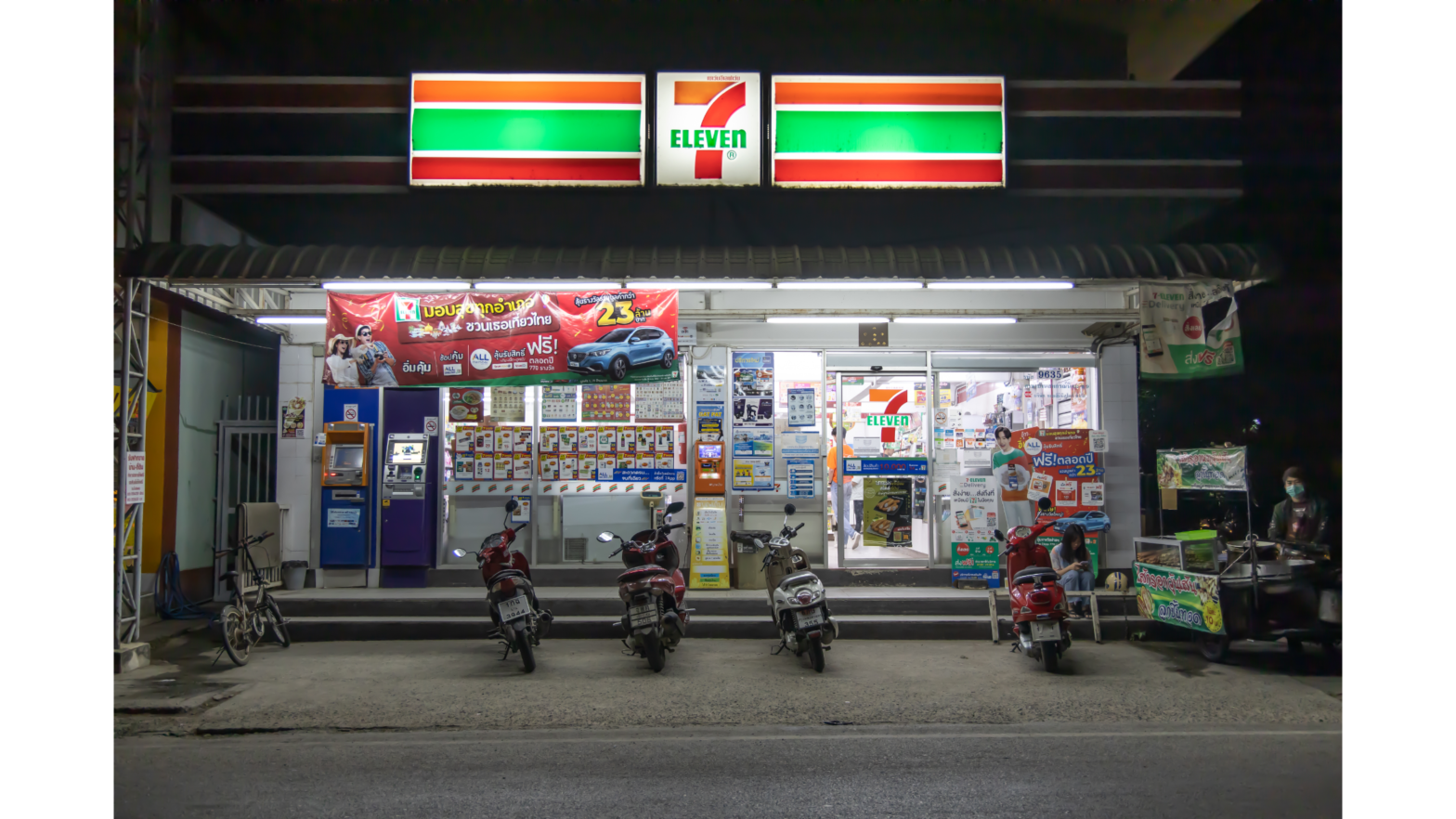
The company behind 7-Eleven is placing a significant wager on Australia, positioning the country as a testing ground for a convenience-store model that transformed the brand into a retail powerhouse in Japan.
In 2024, Seven & I Holdings acquired the Australian operator of its branded outlets for 1.7 billion Australian dollars (about $1.2 billion). The deal marked more than just a change in ownership — it signaled a strategic shift. The Japanese retail group is now working to replicate the high-margin, food-focused model that has defined 7-Eleven Japan in its home market.
Reimagining Convenience Retail
In Japan, 7-Eleven stores are not merely places to grab snacks or fuel. They function as neighborhood hubs offering fresh meals, bill payment services, parcel handling, and a rotating selection of ready-to-eat options. From egg-salad sandwiches to neatly packaged onigiri rice balls, the brand has built a reputation for quality and variety that rivals quick-service restaurants and even supermarkets.
Australia is now being used to test whether that formula can travel.
Local stores are expanding their fresh-food offerings, including fried chicken, pizza, and an array of pre-packed meals tailored to Australian tastes. At the same time, shelves increasingly feature adaptations of Japanese staples such as egg-salad sandwiches and rice balls, blending local preferences with the brand’s culinary identity.
The ambition is bold: open hundreds of new outlets across the continent by 2030, turning Australia into a showcase for how the Japanese convenience-store blueprint might work outside Asia.
Competing Beyond Fuel and Tobacco
The strategy reflects broader shifts in the global retail landscape. Convenience stores have traditionally relied on tobacco sales and fuel margins to drive profitability. But smoking rates are declining, and the long-term transition toward electric vehicles threatens traditional forecourt traffic.
To offset these pressures, Seven & I is leaning heavily into prepared food and daily services — areas that generate stronger margins and encourage repeat visits. If Australian consumers embrace the expanded food lineup and treat stores as quick-meal destinations rather than last-minute pit stops, the company could carve out a competitive space against supermarkets and fast-food chains alike.
However, success is far from guaranteed. Australia’s grocery market is dominated by established supermarket players, while global and local fast-food brands already command strong loyalty. Winning market share will require not just product variety but consistent quality, efficient logistics, and pricing that resonates with cost-conscious shoppers.
A Global Litmus Test
Australia’s relatively high urbanization rate, stable regulatory environment, and familiarity with the 7-Eleven brand make it an attractive proving ground. The country also offers a manageable scale — large enough to test the model thoroughly, yet compact enough to refine operations before broader rollout.
If the experiment delivers sustainable growth, it could open doors to expansion in Europe and Latin America. A successful Australian transformation would suggest that the Japan-style model — centered on fresh, prepared food and integrated services — can travel across cultures and consumer habits.
If it falters, the implications would be equally significant. It would indicate that the operational precision, supply-chain sophistication, and cultural alignment that underpin Japan’s convenience-store success may be difficult to replicate globally.
High Stakes for the Future
For Seven & I Holdings, the Australian push is more than a regional growth initiative. It represents a strategic pivot at a time when traditional revenue streams face structural decline. By reshaping convenience retail around fresh food and everyday services, the company is betting that the future of the format lies in becoming a daily dining and lifestyle destination.
Australia now stands at the center of that gamble — a live experiment that could determine whether a distinctly Japanese retail playbook can power the next phase of global expansion.