
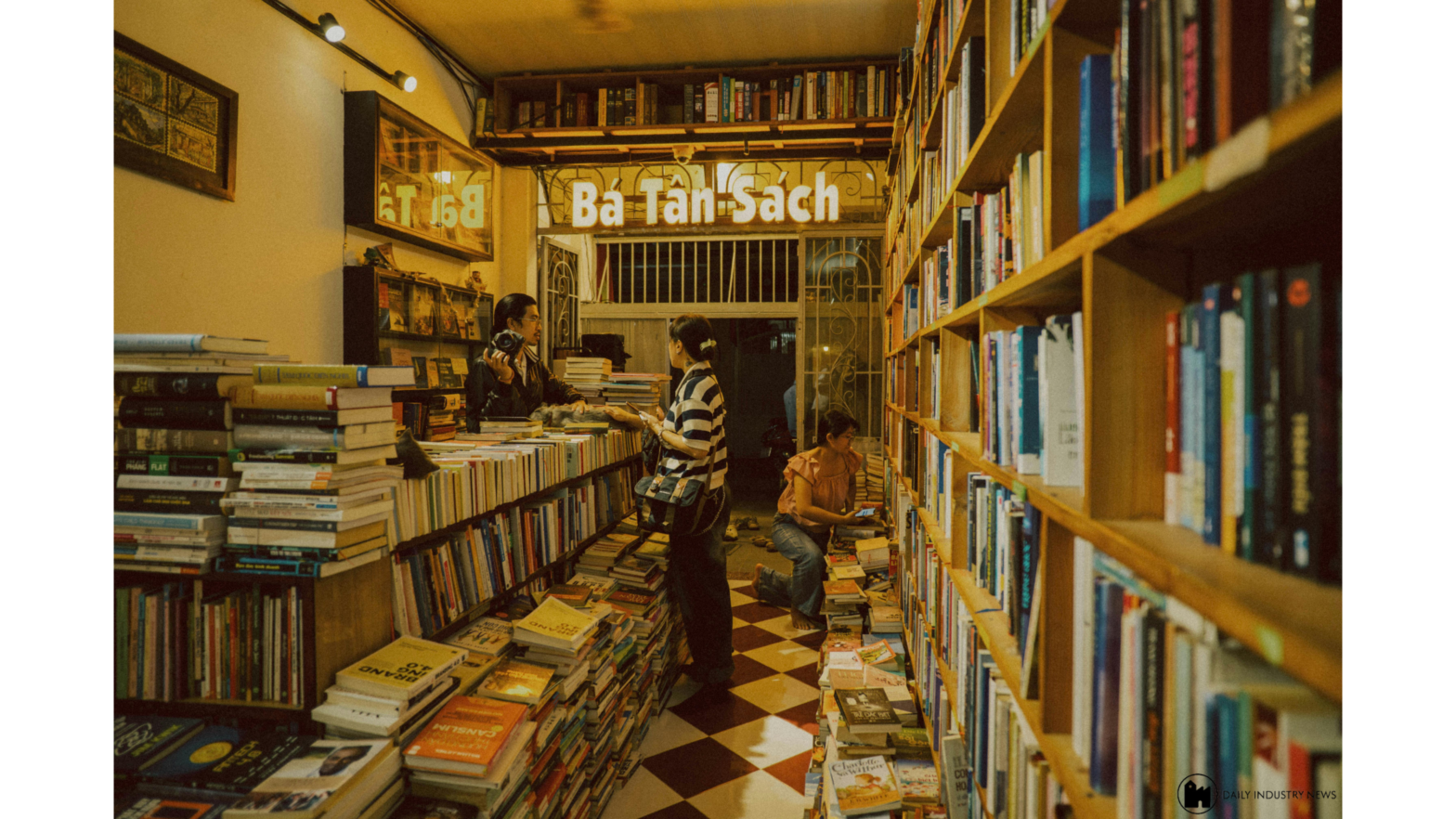
When Tokyo’s Jimbocho district was named the “coolest neighborhood in the world” by Time Out magazine in 2025, many locals were puzzled. The area, tucked into central Tokyo, isn’t known for flashy nightlife or cutting-edge fashion. Instead, it’s famous for something quieter: books.
Jimbocho is lined with countless 本屋 (honya, bookshops), also called 書店 (shoten). For readers who don’t speak Japanese, wandering through shelves filled with unfamiliar characters can feel intimidating. If you can’t read the titles, can you fully experience what makes this place special?
Yet Jimbocho’s appeal goes beyond language. With growing international interest in Japanese literature and culture, the district’s charm feels increasingly universal. Narrow streets filled with used bookstores, the scent of old paper and nearby retro coffeehouses create an atmosphere that feels almost cinematic. Even without fluency, browsing here can be a cultural experience in itself.
Why Japan Is a Bookshop Paradise
Japan is an exceptional country for book lovers. There are more than 10,000 bookstores nationwide — significantly more per capita than many Western countries. From sleek, multi-floor retailers to tiny specialty shops, the variety is impressive.
Even if you’re not ready to dive into 日本文学 (Nihon bungaku, Japanese literature), visiting 日本の本屋 (Nihon no honya, Japanese bookshops) offers insight into reading culture, publishing trends and everyday life.
Understanding a few key terms can make your browsing experience much richer.
Types of Bookstores You’ll Encounter
With so many stores, it helps to know the categories:
総合書店 (Sōgō Shoten) – General Bookstores
These are full-range shops carrying a broad selection of genres, from fiction and nonfiction to magazines and children’s books.
大型書店 (Ōgata Shoten) – Large-Scale Bookstores
Often located near major train stations, these expansive stores may span multiple floors. Popular chains include Tsutaya, Junkudo and Kinokuniya. They typically stock:
- 新刊 (Shinkan) – New releases
- 新版 (Shinpan) – Revised or republished editions
- 古典 (Koten) – Literary classics
These stores are ideal if you’re searching for contemporary bestsellers or translated works.
古本屋 (Furuhonya) – Used or Antiquarian Bookstores
Jimbocho is especially famous for these secondhand shops. Some specialize in rare academic texts, others in vintage manga, foreign-language titles or out-of-print literary works. Exploring a furuhonya feels like stepping into a literary treasure hunt.
Beyond the Books Themselves
Part of what makes Jimbocho distinctive is that browsing here isn’t just about purchasing reading material. It’s about immersion.
Stacks of aging paperbacks spill onto sidewalks. Handwritten signs advertise niche collections. Inside, narrow aisles lead to unexpected discoveries. Even the act of flipping through pages you may not fully understand can feel meaningful — a tactile reminder that books are physical objects with weight and history.
Cafés nearby invite visitors to sit down with their finds. In that sense, Jimbocho functions less like a commercial district and more like a living archive.
Is It Worth Visiting If You Don’t Read Japanese?
Absolutely.
Many stores carry art books, photography collections and design magazines that transcend language barriers. Some stock English-language titles or bilingual editions. And even when you cannot decipher every word, observing how books are categorized and displayed offers insight into Japan’s intellectual landscape.
More importantly, Jimbocho reminds visitors that bookstores can still serve as community spaces in a digital age. While online shopping dominates globally, Japan continues to sustain a vibrant brick-and-mortar book culture.
In a world increasingly shaped by screens, walking through rows of printed pages feels refreshing.
You may not leave Jimbocho fluent in Japanese. But you’ll leave with a deeper appreciation for the atmosphere of a place where books remain central to everyday life — and that, perhaps, is what makes it cool after all.