
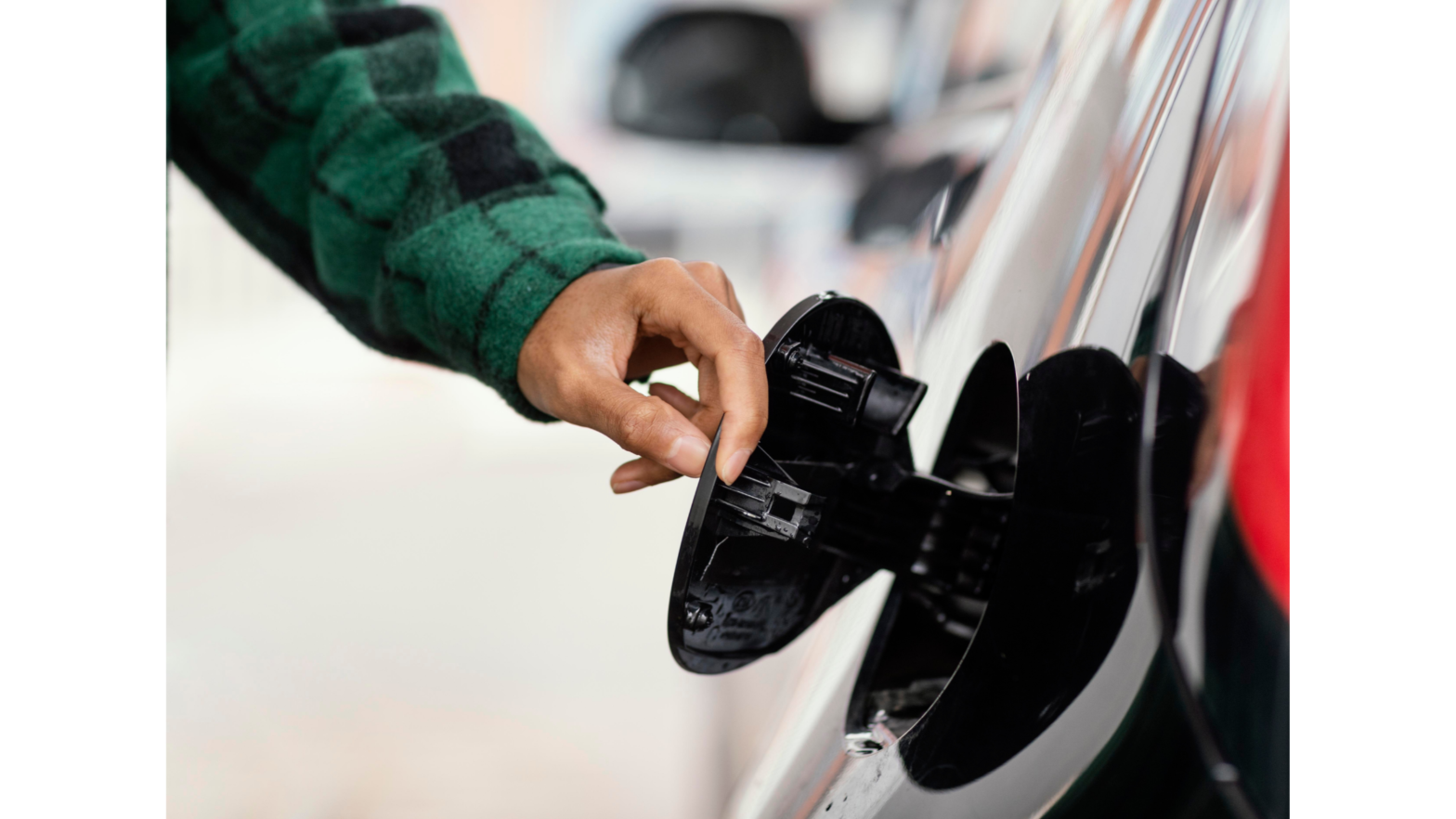
South Korea is strengthening its vehicle restriction policy for public-sector workers as rising global energy prices put pressure on fuel supplies.
Stricter Enforcement Begins
Under the updated system, drivers of gasoline-powered vehicles in the public sector must stop using their cars one day each week, based on their license plate number. While the rule already existed, enforcement had been relatively loose. Authorities will now impose tougher penalties for violations.
The measure applies to over 20,000 public institutions, including government agencies, schools and national universities. Electric and hydrogen vehicles, along with certain groups such as pregnant individuals and people with disabilities, are exempt.
Expected Impact
Officials estimate the policy will affect around 1.5 million vehicles and help save roughly 3,000 barrels of fuel per day, easing pressure on national energy consumption.
Private Sector Left Out—for Now
Although the government considered extending the rule to private drivers, it opted to keep participation voluntary to avoid disrupting livelihoods, especially for workers who rely heavily on driving.
Part of a Broader Response
The move is part of a wider effort to manage energy risks as global supply remains uncertain due to geopolitical tensions. Authorities have signaled that stricter measures could follow if the situation worsens.