
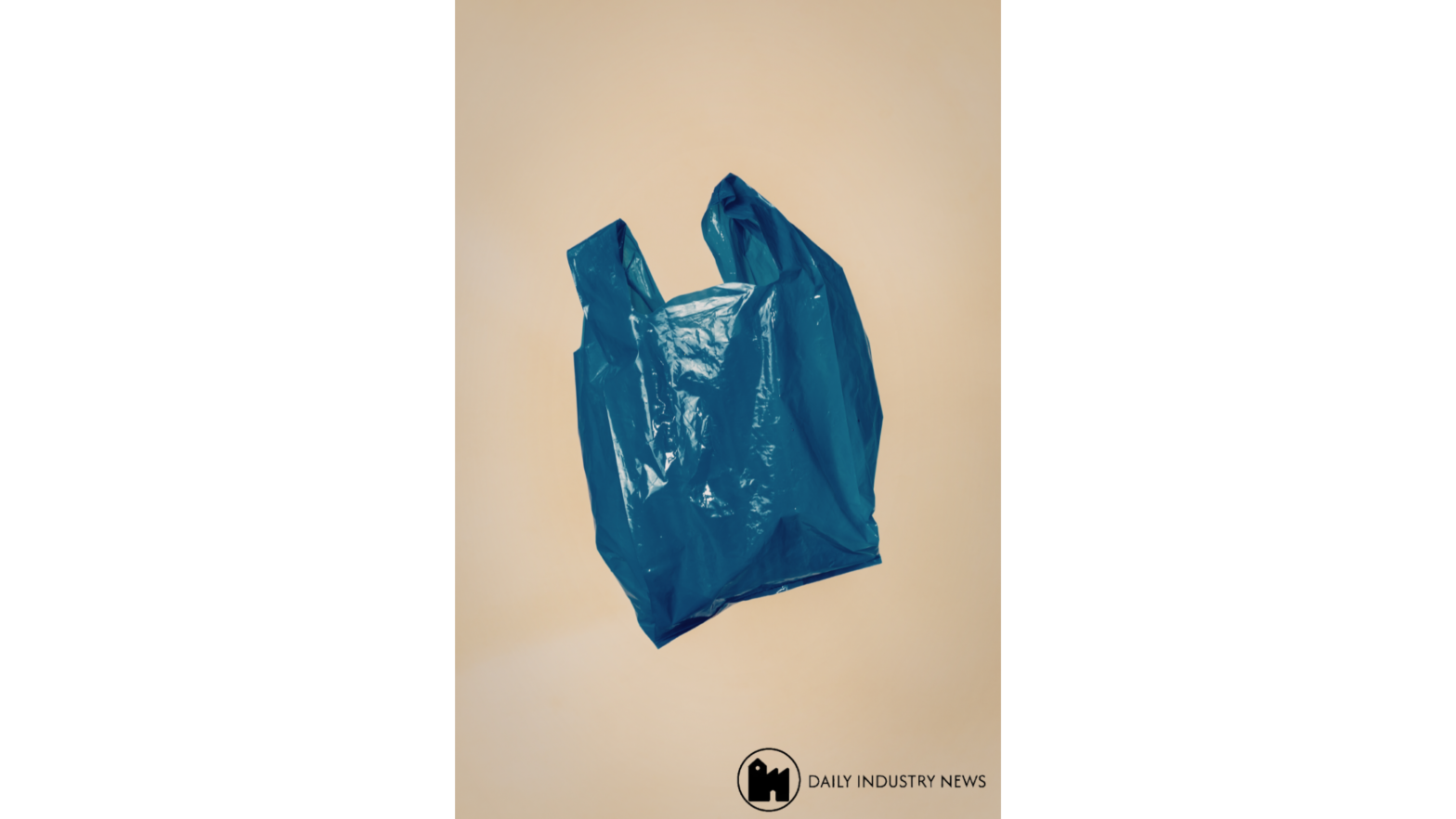
Rising geopolitical tensions in the Middle East are beginning to ripple far beyond energy markets, with South Korea now facing concerns over something unexpected—plastic bag supplies.
Supply Chains Under Pressure
Disruptions in shipping routes, particularly around the Strait of Hormuz, are affecting the flow of key raw materials like naphtha, which is essential for producing plastic products. Since South Korea imports a large share of its naphtha—much of it from the Middle East—any disruption quickly raises concerns about shortages.
For small business owners, the impact is already being felt. Vendors report difficulties sourcing basic items like plastic bags, with suppliers warning that restocking could take weeks even if conditions improve.
A Crucial Everyday Item
In South Korea, plastic garbage bags are not just convenience items—they are part of a regulated waste management system. Residents must use designated bags to dispose of household waste, making them a daily necessity.
While a shortage would not stop waste collection entirely, it could disrupt the system and create inconvenience for households and businesses alike.
Government Steps In
Authorities have moved quickly to prevent a crisis. Measures include:
- Temporarily restricting exports of naphtha
- Encouraging the use of recycled materials for bag production
- Monitoring inventory levels across local governments
Officials say current stockpiles remain sufficient, with many regions holding several months’ supply. Additional reserves of recycled materials are also available to maintain production if needed.
Public Reaction: Caution vs. Calm
The situation has triggered mixed reactions among consumers. Some people have started stockpiling garbage bags, worried about potential shortages, while others remain unconcerned, trusting the government to manage the situation.
The response echoes memories of supply panic during the COVID-19 pandemic, though on a much smaller scale.
A Reminder of Global Interconnectedness
This episode highlights how global conflicts can affect even the most ordinary aspects of daily life. From energy to everyday essentials, supply chains rem