
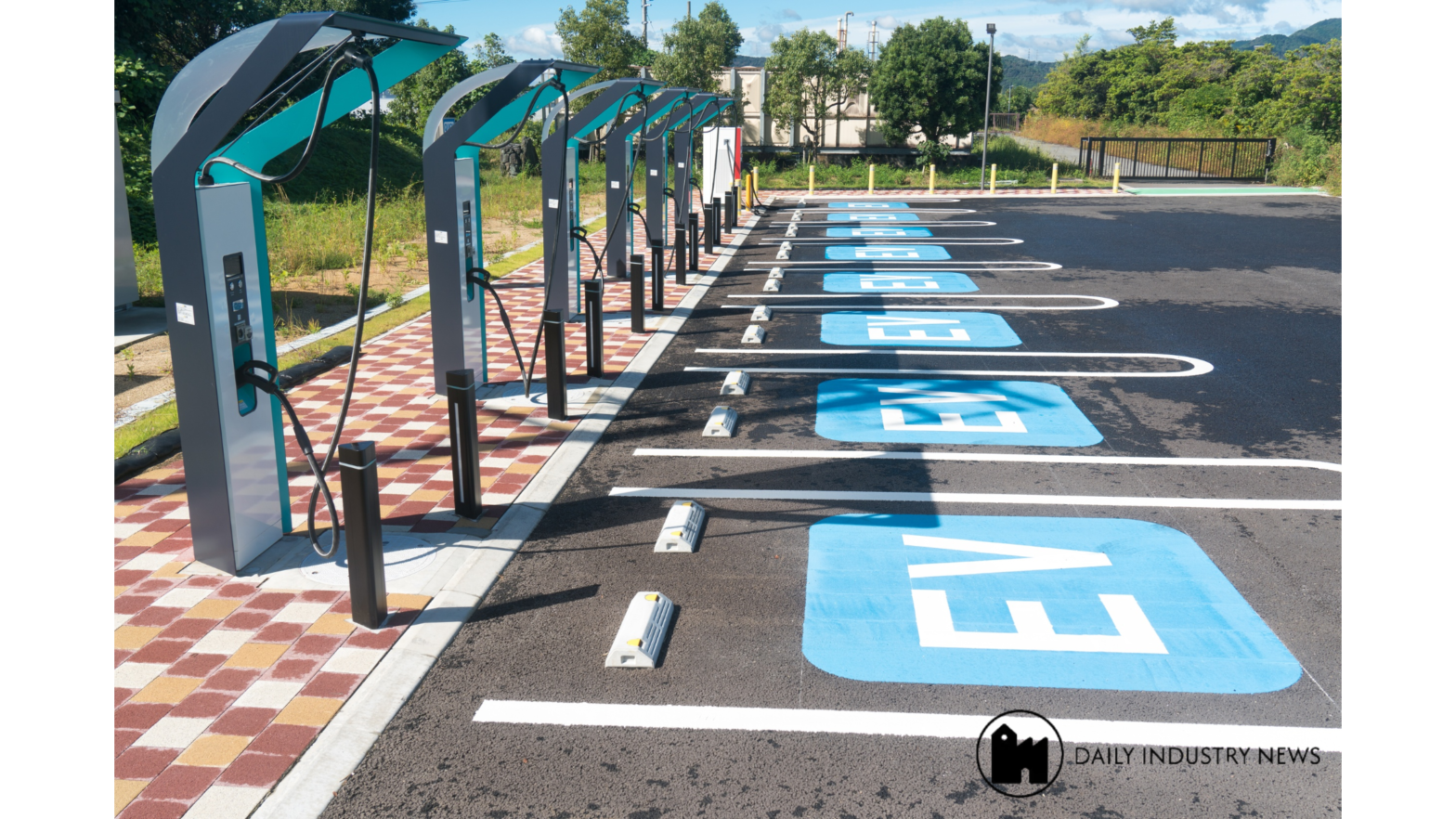
Energy shocks often force consumers to rethink their choices—especially when alternatives are available. As oil prices surge amid renewed geopolitical tensions, Asia’s electric vehicle (EV) industry is gaining momentum.
From Fuel Dependence to Electric Alternatives
History shows how supply disruptions can reshape entire industries. During the oil crises of the 1970s, many drivers moved away from fuel-hungry cars toward more efficient models, changing the global auto landscape. Today, a similar shift could be underway—this time from gasoline vehicles to electric ones.
Asia at the Center of the EV Boom
Countries like China, India, Vietnam and South Korea are well-positioned to lead this transition. With strong manufacturing ecosystems, government support and growing domestic demand, these markets are accelerating the adoption of EVs as fuel costs climb.
A Turning Point for the Auto Industry
Unlike past crises where consumers had limited options, today’s buyers can increasingly turn to electric vehicles as a practical alternative. This could significantly reduce reliance on traditional fuel-powered cars and reshape market dynamics.
Winners and Losers
The shift may benefit Asian automakers that have invested heavily in EV technology, while companies still focused on conventional vehicles could face challenges. In a twist of history, the same industry leaders that once disrupted global markets may now find themselves under pressure.
The Bigger Picture
As oil volatility continues, the transition to electric mobility is no longer just about sustainability—it’s becoming an economic necessity. For Asia, this moment could mark a major leap forward in leading the future of transportation.