
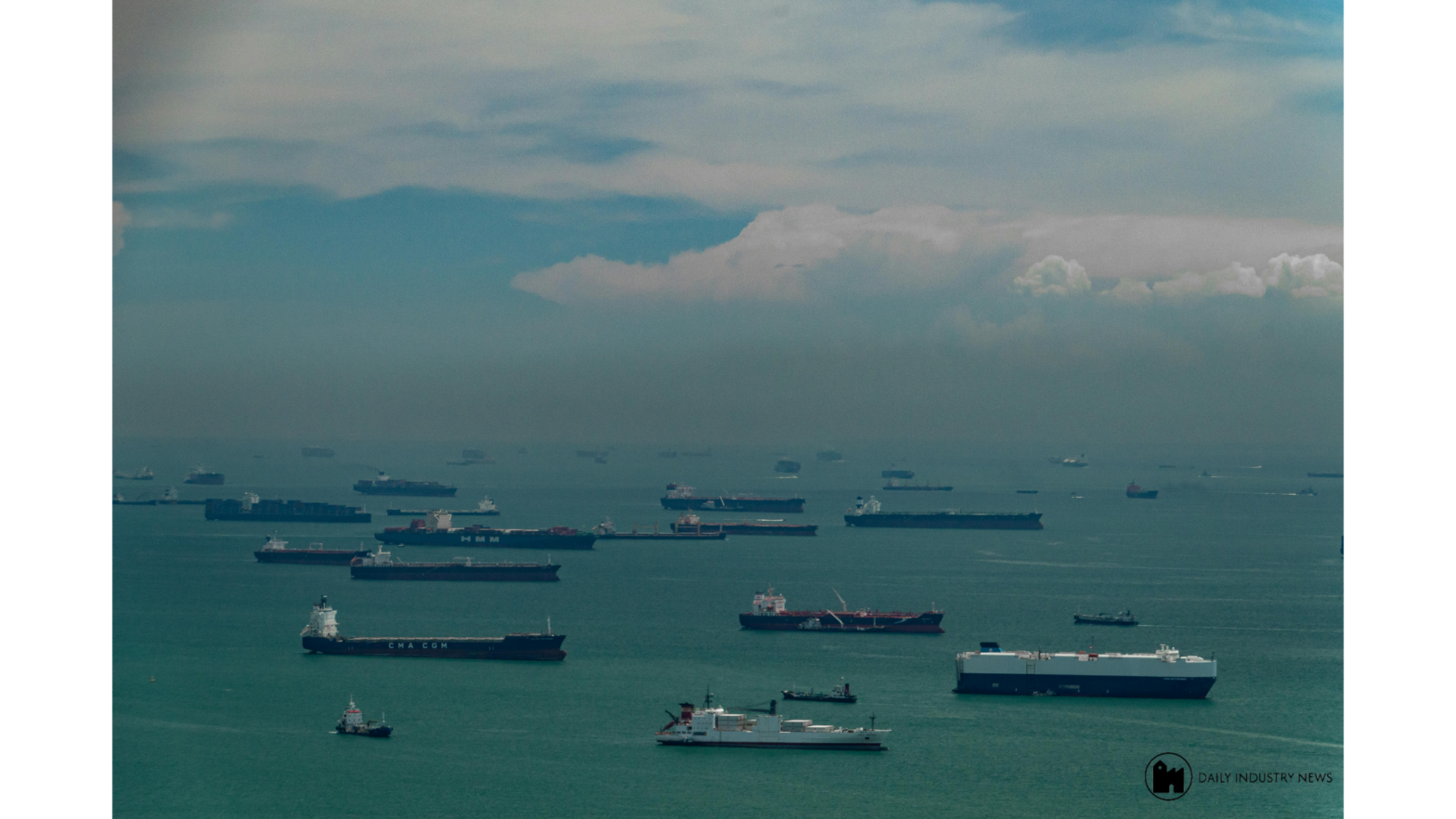
Signs of improving stability in the Middle East are beginning to restore maritime traffic through the strategically important Strait of Hormuz, with a growing number of South Korean vessels successfully navigating the waterway after being delayed by months of conflict.
Half of Stranded Vessels Have Cleared the Waterway
According to government officials, approximately half of the South Korean ships that had been unable to leave the Strait of Hormuz since the outbreak of hostilities between the United States and Iran have now completed their transit.
A total of 26 Korean vessels were reportedly affected by the disruption. By Thursday morning, 13 ships had successfully passed through the vital maritime corridor, marking a significant step toward normalizing shipping operations in the region.
Diplomatic Progress Boosts Maritime Activity
The increase in vessel movements follows recent diplomatic developments between Washington and Tehran. Last week’s memorandum of understanding aimed at reducing tensions and reopening key shipping routes has helped improve confidence among shipping operators and international traders.
As uncertainty in the region has eased, more vessels have resumed their journeys through the Strait of Hormuz, one of the world’s most critical energy and trade chokepoints.
Transit Speeds Up Significantly
The pace of movement through the waterway has accelerated noticeably in recent days. Most of the Korean ships that have successfully exited the strait did so within the past few days, highlighting the rapid improvement in navigational conditions.
Shipping companies and maritime authorities have been closely monitoring developments, balancing safety concerns with the need to restore normal trade flows.
A Key Route for Global Commerce
The Strait of Hormuz remains one of the most strategically important waterways in the world, serving as a major transit route for crude oil, liquefied natural gas, and a wide range of commercial goods.
Any disruption in the area can have significant implications for global supply chains, energy markets, and shipping costs. As a result, the recent increase in vessel traffic is being viewed as a positive sign for international trade and regional stability.
Hope for Remaining Ships
With half of the affected vessels now safely through the strait, expectations are growing that the remaining ships will also be able to continue their journeys in the near future.
While shipping activity has not yet fully returned to pre-conflict levels, the latest developments suggest that efforts to restore safe passage are gaining momentum.
Looking Ahead
The gradual reopening of the Strait of Hormuz offers cautious optimism for the maritime industry and global markets. Continued diplomatic engagement and improved security conditions will be crucial in ensuring that shipping routes remain open and that international trade can move forward without further disruption.
For South Korean shipping operators and businesses relying on Middle Eastern trade routes, the recent progress represents an encouraging step toward normalcy after months of uncertainty.