
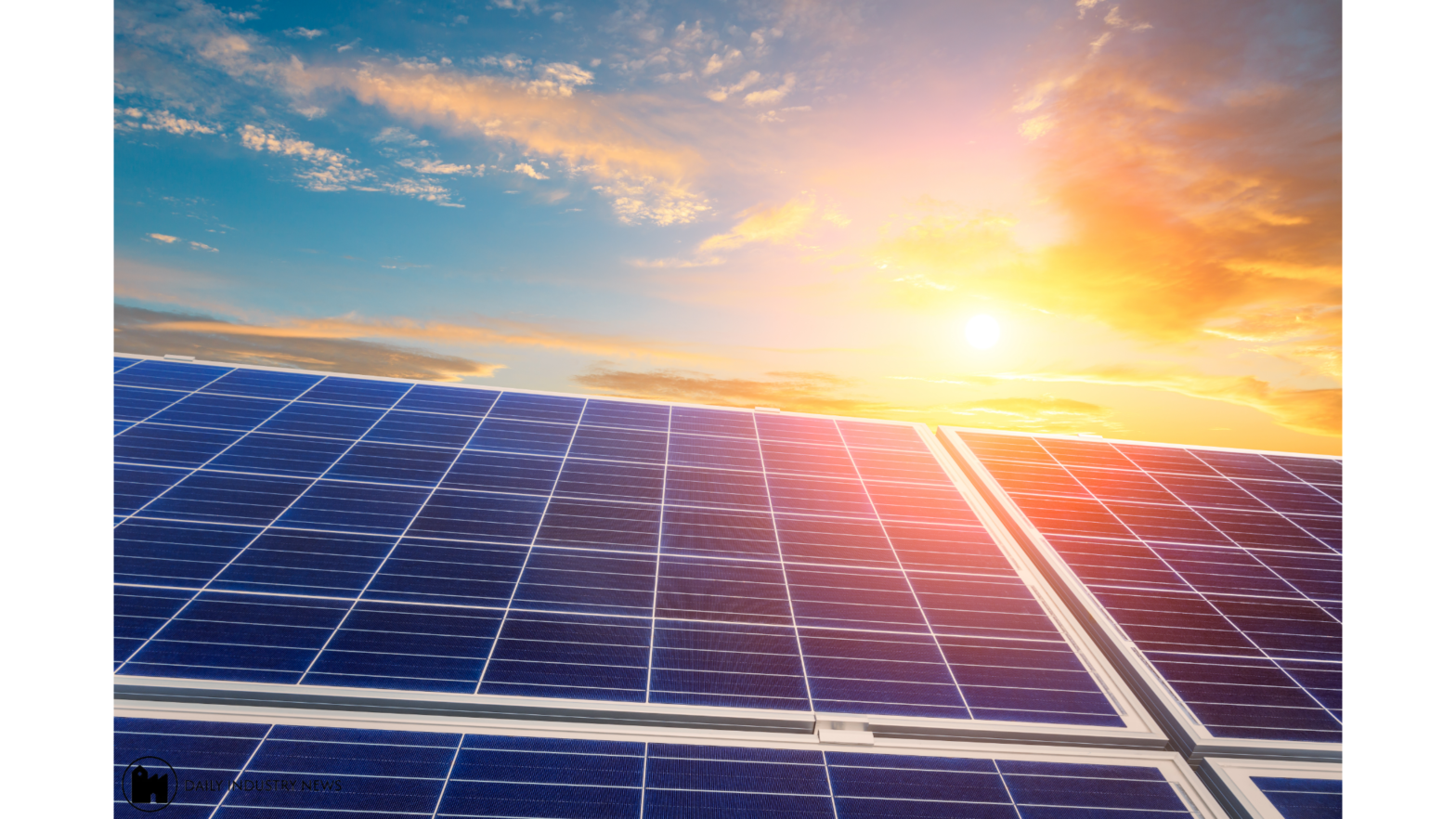
India’s ambitious drive to strengthen its domestic solar manufacturing industry is encountering growing challenges as manufacturers struggle to reduce their dependence on imported components. While the government’s localization strategy aims to build a self-reliant clean energy ecosystem, supply shortages are creating temporary disruptions for solar panel producers across the country.
The situation highlights the complex balance between promoting domestic manufacturing and maintaining the rapid pace of renewable energy expansion.
Local Component Shortages Slow Production
Several Indian solar panel manufacturers are experiencing production delays as they transition away from imported components toward locally produced alternatives.
Industry participants report that limited domestic availability of key solar cells has resulted in extended waiting periods, forcing some factories to reduce output or temporarily suspend operations. The supply constraints have made it difficult for manufacturers to maintain production schedules while complying with new sourcing requirements.
As a result, many companies are reassessing production plans until domestic manufacturing capacity expands.
Government Push for Self-Reliance
India has been actively promoting domestic manufacturing as part of its broader strategy to strengthen supply chain resilience and reduce reliance on imported clean energy technologies.
New policy measures encourage manufacturers to source more components from local suppliers, supporting the growth of India’s renewable energy manufacturing sector.
The long-term objective is to establish a competitive domestic ecosystem capable of producing solar cells, modules, and other critical equipment while creating employment opportunities and strengthening energy security.
Heavy Dependence on Global Supply Chains
For years, India’s rapidly growing solar industry has relied heavily on imported components, particularly solar cells and related materials sourced from international suppliers.
While this approach enabled rapid expansion of renewable energy projects, it also exposed manufacturers to supply chain disruptions and geopolitical uncertainties.
The current transition demonstrates that building a fully localized manufacturing ecosystem requires substantial investment, technological expertise, and time.
Impact on Businesses and Employment
Production disruptions are creating financial pressure for some manufacturers, particularly companies that depend on a steady supply of components to meet customer demand.
Lower factory utilization can affect operational efficiency, investment plans, and employment within the sector. Industry observers also note that prolonged supply shortages could delay new renewable energy projects if manufacturers are unable to produce sufficient quantities of solar panels.
However, many companies view the current challenges as part of a broader transition toward a stronger domestic manufacturing base.
Meeting India’s Renewable Energy Goals
India has set ambitious renewable energy targets as part of its long-term climate and energy strategy, with solar power expected to play a central role.
Achieving these objectives will require not only large-scale project development but also a reliable manufacturing ecosystem capable of supporting sustained growth.
Expanding domestic production of solar cells and related technologies is considered essential for reducing import dependence while ensuring long-term supply stability.
Opportunities for Industry Growth
Despite the current challenges, many experts believe the localization initiative could strengthen India’s solar industry over the long term.
Increased investment in manufacturing facilities, research and development, advanced production technologies, and skilled workforce development could improve competitiveness while attracting additional domestic and international investment.
A more resilient supply chain may also position India as a larger player in the global renewable energy manufacturing market.
Looking Ahead
India’s efforts to build a self-reliant solar manufacturing industry reflect its commitment to strengthening both clean energy production and industrial competitiveness. Although the transition has created short-term supply constraints for manufacturers, continued investment in local production capacity is expected to ease these challenges over time.
As domestic manufacturing expands, India has the opportunity to develop a more resilient renewable energy supply chain that supports economic growth, creates jobs, and advances the country’s long-term clean energy ambitions.