
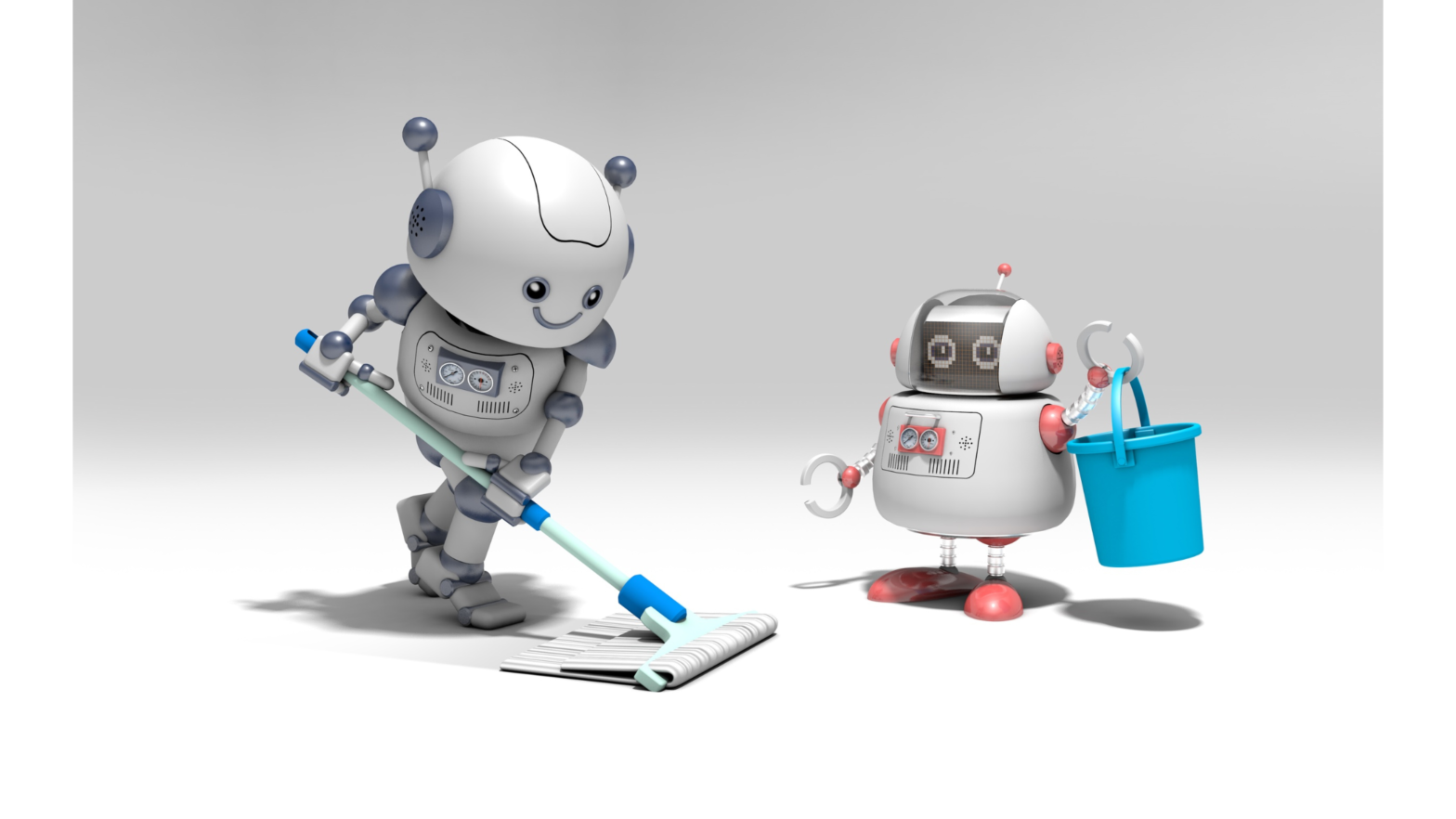
At this year’s CES in Las Vegas, one concern frequently voiced by Elon Musk appeared to materialize in plain sight. Across the vast exhibition halls, Chinese-made humanoid robots were impossible to miss—playing table tennis, cleaning floors, performing martial arts moves, and engaging visitors with increasingly lifelike motions.
Their presence underscored a deeper reality: the intensifying technological rivalry between China and the United States. While CES has long been a showcase for American and global innovation, this year’s event highlighted how rapidly Chinese companies are advancing in robotics—particularly in the emerging field of humanoids and so-called “physical AI.”
Hardware Meets Physical Intelligence
On the main stages, U.S. semiconductor giants such as Nvidia and Advanced Micro Devices delivered keynote presentations focused on ever-more-powerful artificial demonstrations. Fourier Intelligence unveiled its latest humanoid model, the GR-3, highlighting improvements in mobility and human-robot interaction. Nearby, Booster Robotics staged synchronized performances involving more than 30 robots, emphasizing coordination and scalability.intelligence chips. Their messages centered on computation, data centers, and the digital foundations of the AI boom.
Just a short walk away, however, dozens of Chinese robotics startups were translating those abstract advances into physical form. Instead of slides and benchmarks, they offered moving, balancing, and interacting machines—bringing the concept of embodied intelligence to life on the show floor.
A Parade of Chinese Humanoids
Several Chinese companies drew steady crowds with hands-on
Speed and athleticism were on display at the booth of X-Humanoid, where visitors watched demonstrations inspired by its Tiangong Ultra robot—known for winning a humanoid half-marathon in Beijing last year. Unitree captivated audiences with acrobatic routines performed by multiple humanoids in unison, showcasing balance, agility, and control.
Other exhibitors took a more commercial angle. Companies such as Galbot, AgiBot, and EngineAI focused on practical capabilities—robots that can carry out multiple tasks, adapt to industrial environments, and potentially be deployed in real-world workplaces. Their booths were less theatrical, but the message was clear: these machines are being built not just to impress, but to sell.
A Signal Beyond the Show Floor
The strong Chinese showing at CES was about more than spectacle. For many of these firms, the event served as a gateway to global markets. Conversations with overseas buyers, distributors, and partners hinted at ambitions to expand beyond domestic demand and compete directly with Western robotics players.
More broadly, the humanoid displays highlighted a shift in the global AI race. While much of the discussion in recent years has focused on software models and cloud-based intelligence, robotics represents the next frontier—where AI must operate in unpredictable physical environments. China’s ability to field so many working humanoids at a U.S.-based tech showcase sent a clear signal about where it believes the future lies.
A Glimpse of What’s Coming
As CES wrapped up, one takeaway stood out: the gap between digital intelligence and physical machines is narrowing fast. Chinese companies, once seen primarily as fast followers, are now positioning themselves as leaders in humanoid robotics, blending AI, mechanics, and manufacturing scale.
For attendees, the sight of robots practicing kung fu or working together in choreographed routines was entertaining. For industry watchers and policymakers, it was a reminder that the global technology competition is no longer confined to chips and code. Increasingly, it is being played out in metal, motors, and machines that move—right there on the world’s biggest tech stage.