
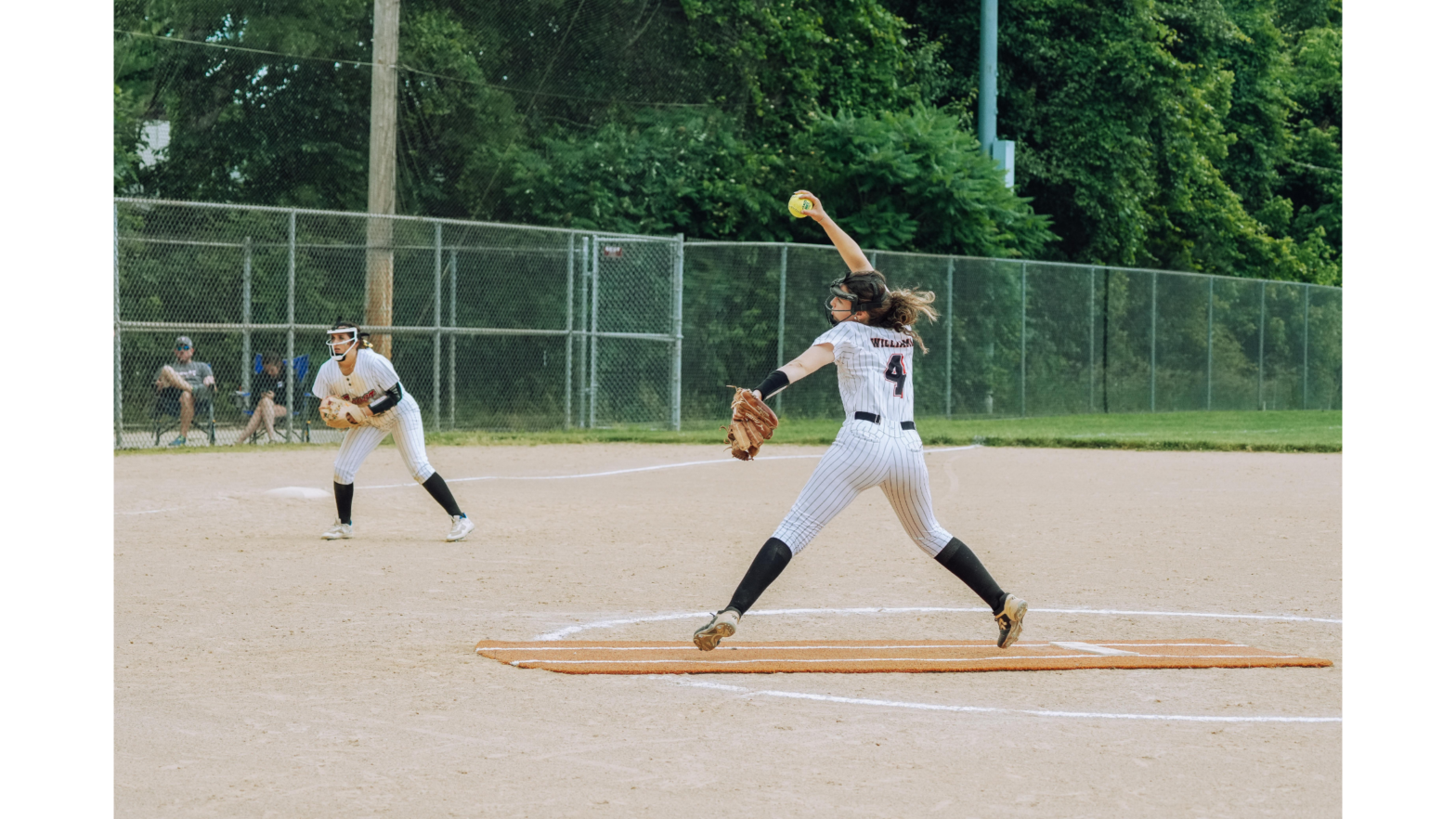
In Japan, the roadmap to baseball success has long been well defined for boys. Young players grow up competing in school leagues with dreams of stepping onto the storied field at Koshien, earning a spot in Nippon Professional Baseball, and, for a select few, eventually making the jump to Major League Baseball. It is a pathway that offers not only national recognition, but also the possibility of long-term financial reward.
For girls, the reality of playing baseball has historically looked very different. While interest in the sport has never been absent, professional opportunities for women remain limited, and few can realistically expect to build a full-time career from playing the game. Structural barriers — from fewer leagues and development programs to limited visibility and funding — have long shaped what is possible for female athletes.
Despite these challenges, a growing number of girls and young women across Japan are beginning to push against traditional expectations. Inspired by Shohei Ohtani’s unprecedented success as both a pitcher and a hitter, they are embracing the idea of becoming two-way players themselves. Rather than choosing between the mound and the batter’s box, they are training to excel at both.
Ohtani’s rise has done more than rewrite what elite performance looks like at the highest level of baseball. It has also expanded the imagination of young athletes, showing that versatility and ambition need not be constrained by convention. For girls who may already feel they are operating on the margins of the sport, his example carries particular weight.
Coaches and youth programs in some parts of Japan are beginning to take notice, offering girls greater flexibility in how they develop their skills. While progress remains uneven, the willingness of young female players to pursue two-way roles signals a broader evolution in the sport’s culture. It reflects a generation less willing to accept narrow definitions of who can play baseball — and how.
Still, significant obstacles remain. Unlike their male counterparts, girls often face limited competition pathways beyond school teams, fewer chances to advance to professional or semi-professional levels, and far less media attention. Even as interest grows, the infrastructure needed to support long-term development for women’s baseball lags far behind.
Yet the determination of these players suggests that change, while slow, is underway. By stepping into roles once considered unattainable, young women inspired by Ohtani are challenging long-standing assumptions about baseball in Japan. Their pursuit of two-way play is not just about emulating a star, but about expanding the future of the sport itself — one inning and one at-bat at a time.