
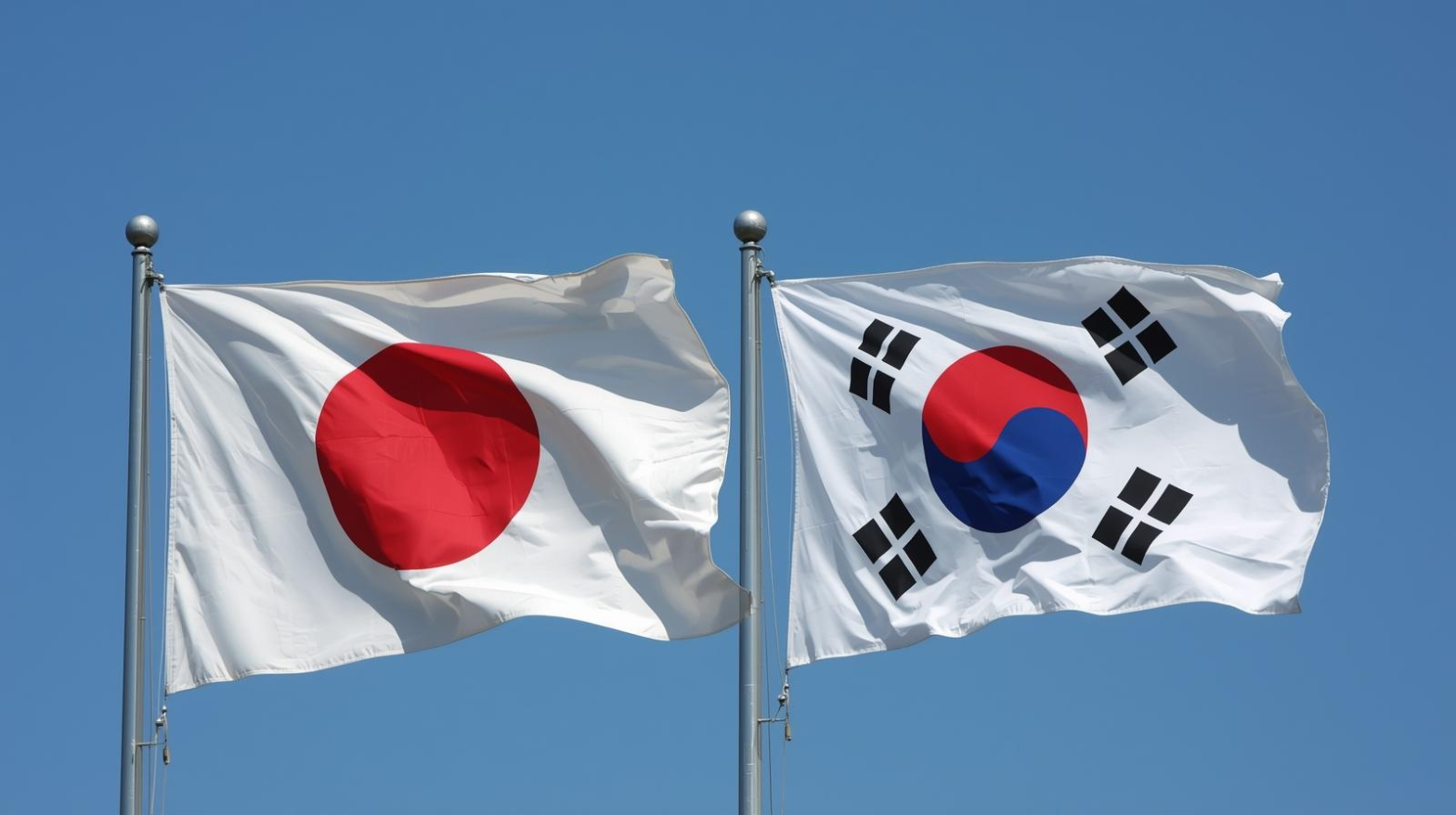
Nara, Japan — Against the backdrop of rising friction between Japan and China, Tokyo and Seoul are signaling a renewed commitment to deepen bilateral cooperation. Japanese Prime Minister Sanae Takaichi and South Korean President Lee Jae Myung met in Nara on Tuesday, where they emphasized the “strategic importance” of strengthening ties and agreed to advance collaboration on key political and economic issues.
The talks marked the first step toward what both leaders described as “shuttle diplomacy”—a framework of regular reciprocal visits designed to maintain momentum in bilateral relations. The initiative reflects a desire to move beyond episodic engagement and toward a more stable, institutionalized partnership.
Economic Security and Historical Issues on the Agenda
During the meeting, the two sides agreed to expand cooperation on economic security, a growing priority as global supply chains face pressure from geopolitical rivalry and export controls. With both countries deeply integrated into high-tech manufacturing and trade networks, closer coordination is seen as essential to safeguarding critical industries and maintaining regional stability.
In addition to forward-looking economic discussions, the leaders addressed a long-standing historical issue: wartime Korean laborers who died in Japan. They agreed to work toward a framework for DNA testing to help identify remains, a step viewed as both humanitarian and symbolic. Progress on such sensitive matters has often proven difficult, but officials indicated that renewed political will could help ease lingering tensions rooted in history.
A Shift in Regional Dynamics
The meeting came at a delicate moment in Northeast Asian diplomacy. Just one week earlier, President Lee traveled to China for talks with President Xi Jinping, amid a widening rift between Beijing and Tokyo. Disputes over trade, security, and strategic alignment have pushed Japan-China relations to some of their lowest levels in years.
In this context, closer Japan–South Korea ties take on added significance. Analysts see the outreach as part of a broader recalibration, with Tokyo and Seoul seeking to align more closely on shared concerns even as regional power dynamics shift.
Building “New Heights” in Bilateral Relations
Speaking at a joint press appearance, Prime Minister Takaichi expressed optimism about the path ahead. She described the Nara meeting as a starting point for elevating bilateral relations, noting that consistent dialogue would help prevent misunderstandings and foster trust.
“Beginning with this visit, I hope to further elevate Japan–South Korea relations to new heights,” she said, signaling an intention to move beyond the ups and downs that have characterized the relationship in recent years.
President Lee echoed the sentiment, highlighting the importance of pragmatic cooperation in areas ranging from economic resilience to people-to-people exchanges. While differences remain, both leaders emphasized that shared interests outweigh points of friction.
Looking Ahead
The launch of shuttle diplomacy suggests that Tokyo and Seoul are aiming for continuity rather than symbolic gestures. Regular leader-level engagement could help insulate the relationship from domestic political pressures and external shocks, particularly as regional competition intensifies.
As Japan navigates strained ties with China and South Korea balances its relationships among major powers, closer Japan–South Korea coordination may emerge as a stabilizing force in Northeast Asia. The Nara meeting, while modest in immediate outcomes, could mark the beginning of a more durable partnership—one shaped as much by present-day strategic realities as by efforts to reconcile the past.