
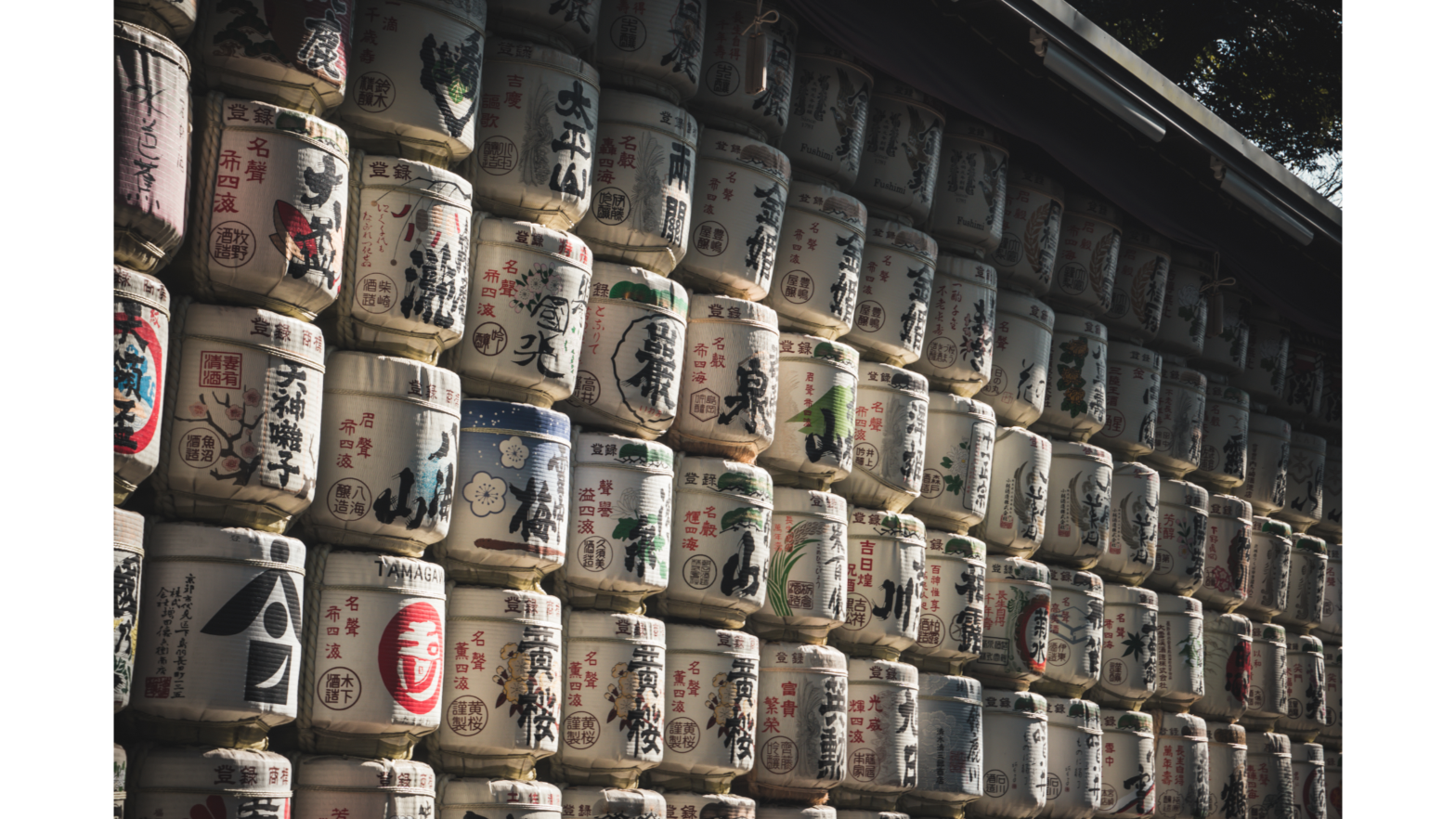
Sake has long been synonymous with Japan, shaped by centuries of tradition, climate and craftsmanship. Yet today, the iconic rice-based drink is quietly establishing roots far from its birthplace. From Southeast Asia to South Asia, a growing number of brewers and chefs are experimenting with sake production, adapting it to local ingredients, cuisines and drinking cultures.
I was reminded of this shift during a recent visit to Vietnam. After several days sustained largely on banh mi and street food, I booked a table at Mua, a restaurant set amid the lush vegetable gardens of Tra Que, just outside the UNESCO-listed town of Hoi An. The setting alone suggested something different — a place that aimed to spotlight local produce rather than replicate familiar fine-dining tropes.
A Vietnamese Take on a Japanese Classic
Mua’s menu reflects that philosophy, presenting modern Vietnamese dishes that allow seasonal ingredients to take center stage. What stood out just as much as the food, however, was the drink pairing. The restaurant operates Mua Craft Sake, a small-scale sake brewery founded in Ho Chi Minh City in 2022 — an unexpected but compelling extension of the kitchen’s ethos.
Sake was impossible to overlook. A tasting flight featured the brewery’s flagship junmai sake, made without added distilled alcohol, alongside two flavored variations. These were paired with dishes such as rice paper parcels, crisp betel leaf tempura and delicately prepared scallops. Rather than mimicking Japanese flavor profiles, the sake felt designed to complement Vietnamese cuisine, bridging traditions rather than copying them.
Why Sake Is Going Global
Vietnam is not alone in embracing sake production. Across Asia, from Singapore to India, interest in brewing sake locally has been growing. Several factors are driving the trend: improved access to brewing knowledge, rising demand for craft alcohol, and a global dining scene that increasingly values experimentation and cross-cultural exchange.
Advances in temperature control and fermentation technology have also made it easier to brew sake outside Japan’s climate. At the same time, brewers are exploring nontraditional rice varieties and local water sources, creating products that reflect their surroundings while remaining rooted in sake’s core principles.
Adapting Tradition Without Diluting It
For many of these new breweries, the challenge is striking a balance between respect for tradition and creative adaptation. Sake production relies on precise techniques, including the use of koji mold and carefully controlled fermentation. Yet outside Japan, brewers are increasingly willing to reinterpret those techniques to suit local tastes and cuisines.
The result is not a replacement for Japanese sake, but an expansion of the category. Much like wine or beer, sake is beginning to express regional differences, shaped by geography, ingredients and culinary context.
A Broader Future for Sake
As global diners become more curious and adventurous, sake’s identity is evolving. What was once viewed as a distinctly Japanese drink is becoming part of a broader international conversation about craft, terroir and food pairing.
Experiences like the one at Mua suggest that sake’s future may be less about where it comes from and more about how it is made — and how well it speaks to the food and culture around it. In that sense, sake is no longer just traveling abroad. It is taking root, adapting, and quietly redefining itself along the way.