
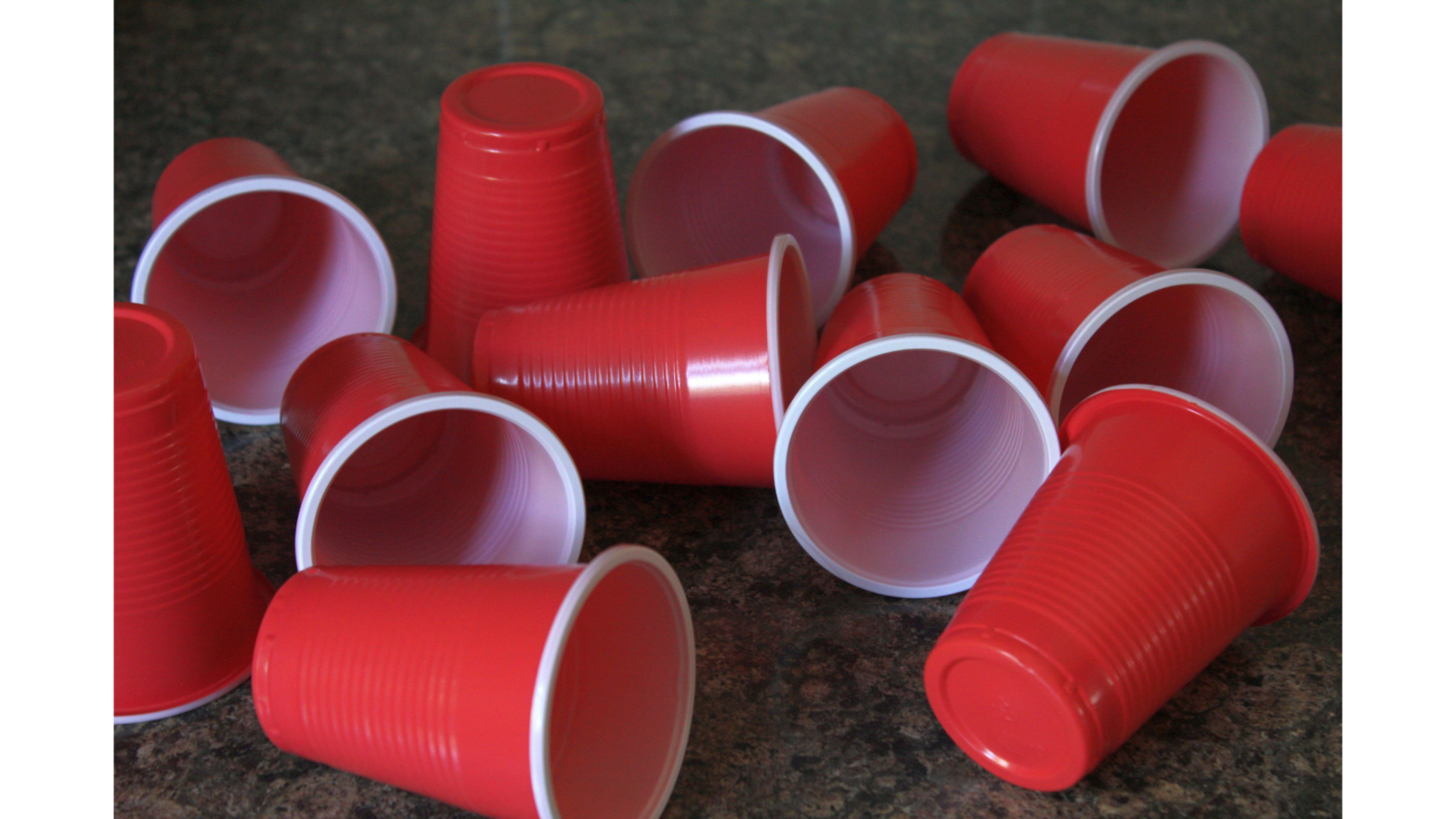
South Korea is preparing a new policy package aimed at reducing plastic waste, with a particular focus on cutting the use of disposable cups. The environment ministry is expected to unveil the plan in the coming days and hold a public hearing to collect opinions before the measures are finalized.
At the center of the proposal is a push to require businesses to charge customers for single-use plastic cups. According to Climate Minister Kim Sung-hwan, the government is considering setting a recommended price range of roughly 100 to 200 won per cup, based on production costs. The goal is to discourage unnecessary use by making disposable options less convenient than reusable alternatives.
Alongside the pricing proposal, authorities plan to introduce an eco-design framework tailored to South Korea. This system would encourage manufacturers to reduce environmental impact at every stage of a product’s life cycle — from design and manufacturing to distribution, use, and disposal — rather than focusing solely on waste management at the end.
The announcement comes as the government continues to reassess an earlier policy involving refundable deposits on disposable cups. Under that system, customers paid an extra 300 won when receiving drinks in single-use cups and were refunded when the cups were returned. While the policy was intended to reduce waste and improve recycling quality, it faced strong opposition from small business owners and was never rolled out nationwide.
Originally planned for full implementation in 2022, the deposit scheme was scaled back and now operates only as limited pilot programs in places such as Sejong City and Jeju Island. In practice, the system has largely stalled. Critics argued that it imposed additional costs and operational complexity on small cafés without significantly reducing overall plastic consumption. Supporters, however, point to higher return rates in regions like Jeju as evidence that the approach can work under the right conditions.
As the government weighs its next steps, officials appear to be shifting toward simpler, price-based measures combined with longer-term changes in product design. Public feedback gathered in the coming weeks is expected to shape how aggressively South Korea moves to reduce its reliance on disposable plastics.