
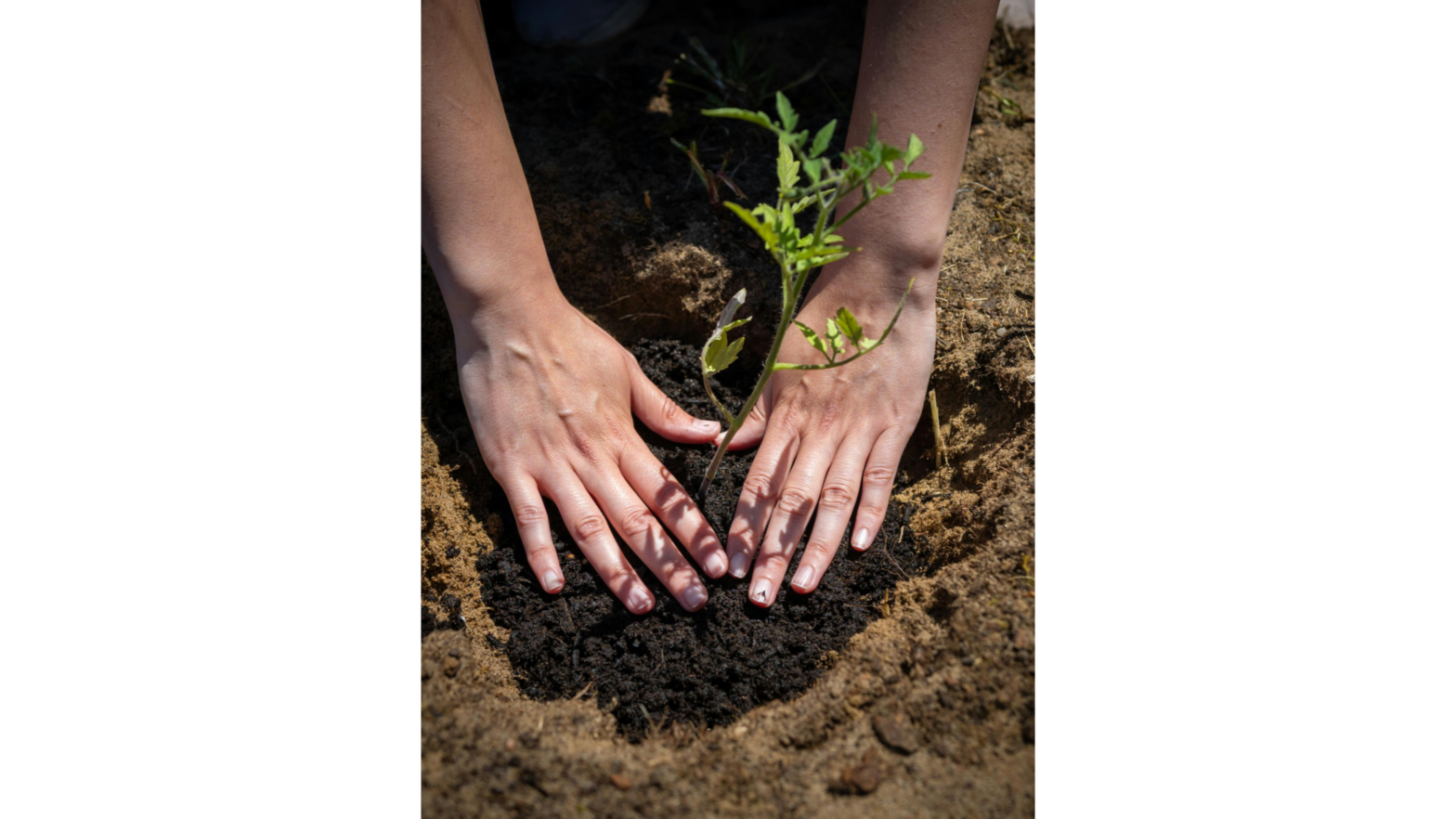
Sustainability is no longer confined to policy debates, corporate reports or environmental campaigns. It has steadily evolved into a lifestyle movement — one that influences how people eat, shop, travel, dress and even define success. What was once considered a niche concern of environmental activists has become a mainstream cultural shift shaping everyday choices.
Today, sustainability is not simply about “saving the planet.” It is about redefining the relationship between consumption, well-being and responsibility.
From Awareness to Action
Over the past decade, climate change, pollution and resource depletion have moved from abstract global issues to visible realities. Extreme weather events, plastic-filled oceans and rising food insecurity have made environmental challenges more tangible.
As awareness has grown, individuals have begun translating concern into daily habits:
- Choosing reusable products over disposable ones
- Supporting local and seasonal food systems
- Reducing meat consumption
- Prioritizing energy efficiency at home
- Opting for secondhand or ethically produced clothing
These actions, while small in isolation, collectively signal a cultural shift toward mindful living.
Conscious Consumerism Is Reshaping Markets
One of the clearest signs of sustainability as a lifestyle movement is its influence on consumer behavior. Shoppers increasingly ask questions about sourcing, labor conditions, packaging and carbon footprints before making purchases.
Brands have responded by highlighting transparency, traceability and eco-friendly practices. Businesses that ignore sustainability risk losing relevance among younger consumers who view environmental responsibility as a baseline expectation rather than a bonus feature.
Sustainability has become a competitive advantage — not just a corporate social responsibility checkbox.
Minimalism and the Redefinition of Success
The sustainability movement intersects with minimalism and intentional living. Many people are rethinking the idea that success equals accumulation. Instead of pursuing endless upgrades and excess consumption, individuals are prioritizing quality, durability and experiences over quantity.
This mindset shift challenges traditional economic models built on constant growth and rapid consumption cycles. Repair culture, thrift shopping and product longevity are gaining traction, encouraging a “buy less, choose well” philosophy.
In this sense, sustainability is as much about psychological well-being as environmental impact.
The Role of Digital Influence
Social media has played a major role in normalizing sustainable habits. Influencers share zero-waste routines, plant-based recipes and eco-friendly home hacks. Online communities exchange tips on composting, upcycling and sustainable travel.
What once required specialized knowledge is now accessible through short videos and community forums. This visibility helps transform sustainability from an overwhelming global issue into practical, achievable steps.
However, the movement also faces challenges, including performative activism and “greenwashing,” where sustainability is marketed without meaningful action. As consumers become more informed, authenticity becomes critical.
Sustainability Beyond Consumption
While lifestyle sustainability often focuses on purchasing decisions, the movement extends further. It includes:
- Supporting renewable energy adoption
- Advocating for urban green spaces
- Participating in community clean-up initiatives
- Reducing food waste
- Promoting circular economy practices
The emphasis is shifting from isolated eco-friendly choices to systemic thinking — understanding how personal actions connect to larger environmental and social systems.
Equity and Accessibility
For sustainability to remain a genuine movement rather than an elite trend, accessibility is essential. Eco-friendly products are sometimes priced at a premium, creating barriers for lower-income households.
A truly inclusive sustainability lifestyle must prioritize affordability, public infrastructure improvements and policy support. Community-based solutions — such as shared mobility, public transportation and local food cooperatives — help bridge this gap.
Sustainability succeeds when it becomes practical for everyone, not just aspirational.
A Long-Term Cultural Shift
What makes sustainability different from past environmental waves is its integration into identity. For many people, living sustainably is part of who they are — influencing social circles, career choices and daily routines.
Younger generations, in particular, see climate responsibility as non-negotiable. They expect institutions, employers and governments to align with the values they practice at home.
This generational momentum suggests that sustainability as a lifestyle movement is not temporary. It represents a deeper cultural recalibration — one that reconsiders growth, consumption and collective responsibility.
Living With Intention
At its core, sustainability as a lifestyle movement is about intention. It asks individuals to pause and consider the impact of their choices — not out of guilt, but out of awareness.
It encourages balance: meeting present needs without compromising the future. As this philosophy continues to spread, sustainability becomes less about sacrifice and more about thoughtful living.
The movement’s true power lies not in perfection, but in participation. Small, consistent changes across millions of lives can create significant collective impact — proving that lifestyle shifts can drive meaningful environmental progress.