
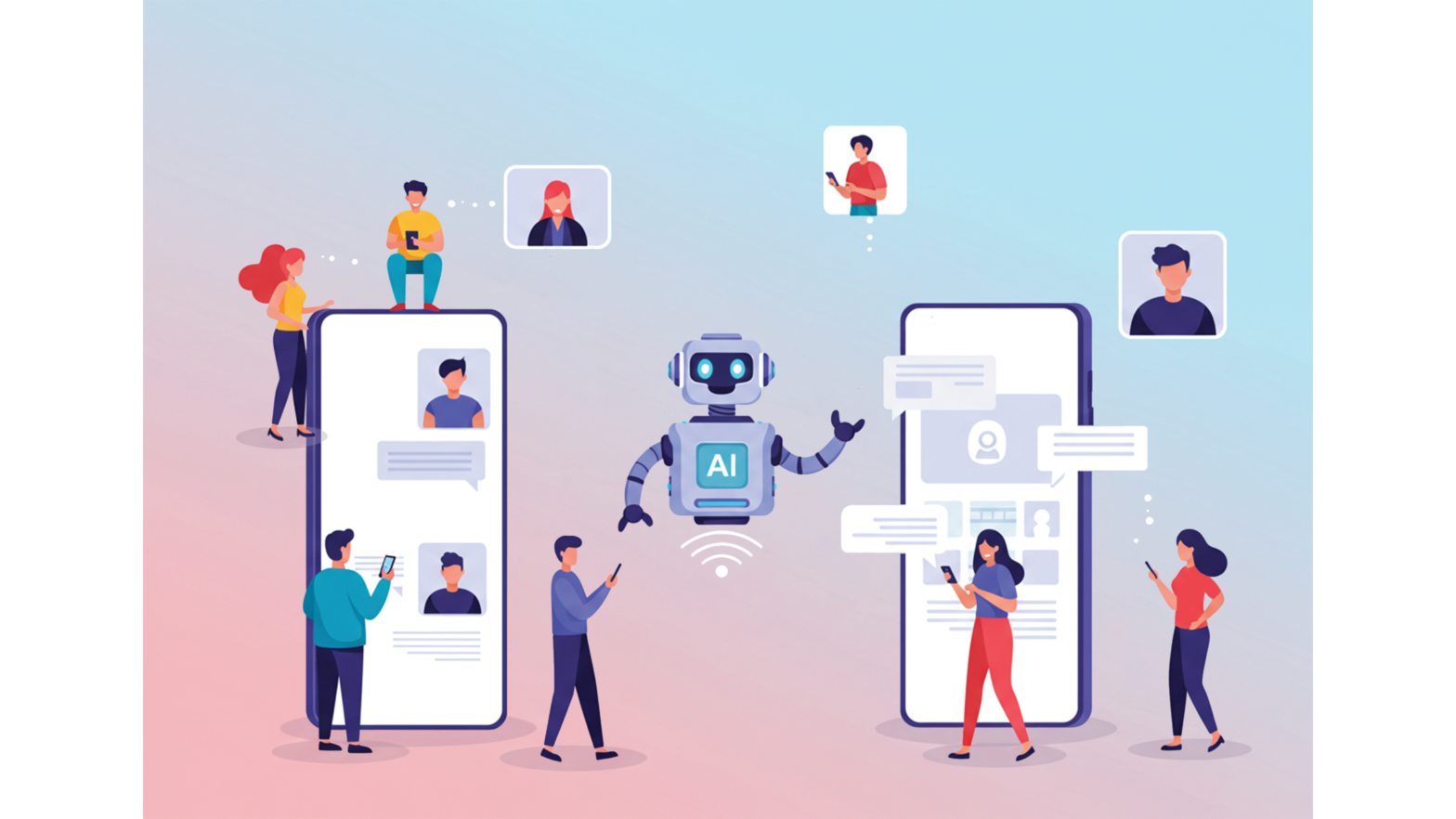
By 2026, artificial intelligence will no longer be a competitive advantage for founders — it will be basic infrastructure. Just as email, cloud computing, and mobile apps became unavoidable, AI tools are rapidly becoming embedded in how companies are built, operated, and scaled. The most successful founders won’t necessarily be the most technical, but they will be the ones who know how to deploy AI effectively.
Here are five types of AI tools that are likely to become essential for founders in 2026.
1. AI Copilots for Strategy and Decision-Making
Founders already use AI to draft emails or brainstorm ideas, but the next generation of AI copilots will go much further. These tools will integrate company data — sales metrics, customer feedback, financials, and market trends — to support real-time strategic decisions.
Instead of relying purely on instinct or static dashboards, founders will ask AI questions like: Which customer segment is most profitable right now? What pricing change would maximize revenue? Where should we cut costs without slowing growth? The AI won’t replace leadership judgment, but it will act as a constant analytical partner.
2. AI-Driven Customer Support Agents
By 2026, AI customer support will be the default, not the exception. Advanced AI agents will handle the majority of customer inquiries across chat, email, voice, and social platforms — instantly and around the clock.
Unlike today’s basic chatbots, these systems will understand context, recall past interactions, and escalate issues intelligently when human intervention is needed. For founders, this means lower support costs, faster response times, and happier customers, even as the business scales rapidly.
3. AI Tools for Hiring and Talent Management
Hiring will increasingly be powered by AI. Founders will use AI tools to screen resumes, assess skills, simulate job tasks, and even predict candidate performance based on role requirements and team dynamics.
Beyond recruitment, AI will help manage performance reviews, identify skill gaps, and recommend personalized learning paths for employees. For lean startups, this will reduce hiring mistakes and allow small teams to operate with the efficiency of much larger organizations.
4. AI-Powered Marketing and Growth Engines
Marketing in 2026 will be highly automated and deeply personalized. AI tools will design ad creatives, test messaging variations, optimize budgets across platforms, and adjust campaigns in real time based on performance data.
Founders will rely on AI to understand customer behavior at a granular level — predicting churn, identifying high-value users, and crafting tailored offers. Instead of large marketing teams, startups will run sophisticated growth engines with minimal human input, guided by AI insights.
5. Autonomous Finance and Operations Tools
Financial management will also be transformed. AI systems will handle bookkeeping, cash-flow forecasting, expense optimization, tax preparation, and compliance monitoring with little manual oversight.
For founders, this means fewer surprises and clearer visibility into the company’s financial health. AI will flag risks early, recommend cost-saving opportunities, and even simulate different growth scenarios, helping leaders make smarter decisions under uncertainty.
The Bigger Shift: Founders as AI Orchestrators
The defining skill for founders in 2026 won’t be coding — it will be orchestration. Knowing which AI tools to deploy, how to integrate them, and where human judgment still matters will separate high-performing companies from the rest.
AI won’t replace founders. But founders who fail to use AI will be replaced by those who do. In the coming years, building a startup will be less about doing everything yourself — and more about directing intelligent systems that work relentlessly on your behalf.