
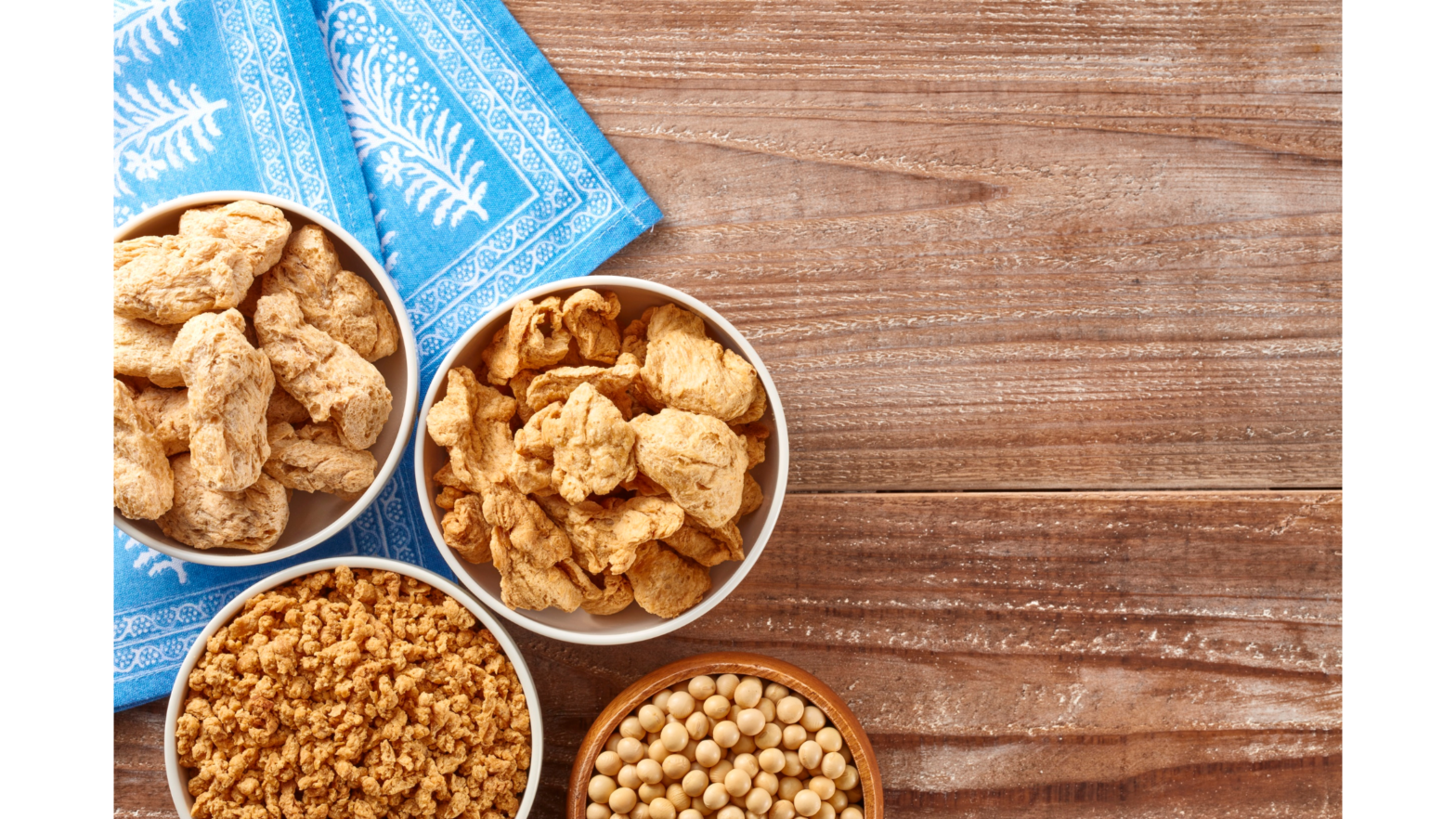
The global shift toward plant-based eating is accelerating, driven by concerns over health, sustainability, and food security. By 2026, plant-based proteins are no longer niche alternatives — they are becoming mainstream options on restaurant menus, grocery shelves, and home kitchens. Advances in food science and changing consumer preferences are helping these proteins move closer to meat in taste, texture, and nutrition.
Here are five plant-based proteins that are leading the transition away from traditional meat in 2026.
1. Pea Protein
Pea protein has emerged as one of the most widely used meat alternatives thanks to its neutral flavor, high protein content, and allergen-friendly profile. It is rich in essential amino acids and works well in burgers, sausages, and nuggets.
Its versatility and relatively low environmental footprint make pea protein a favorite among food manufacturers. As processing techniques improve, pea-based products are becoming smoother, juicier, and more meat-like.
2. Mycoprotein (Fungi-Based Protein)
Mycoprotein, derived from naturally occurring fungi, is gaining popularity for its fibrous texture that closely resembles muscle tissue. It is high in protein, low in saturated fat, and naturally rich in fiber.
Because it can be grown efficiently through fermentation, mycoprotein offers a scalable and sustainable alternative to animal protein. By 2026, it is increasingly used in whole-cut formats such as fillets and strips, not just ground products.
3. Soy Protein (Next-Generation Formulations)
Soy protein has been used as a meat substitute for decades, but new processing methods have dramatically improved its taste and texture. Modern soy-based products reduce beany flavors and deliver higher protein density with cleaner labels.
With a well-established supply chain and strong nutritional profile, soy remains a cornerstone of the plant-based sector, especially in Asian and Western markets where tofu and tempeh are already widely accepted.
4. Chickpea Protein
Chickpea protein is gaining traction as consumers seek minimally processed and familiar ingredients. Naturally rich in protein, fiber, and micronutrients, chickpeas offer a mild flavor and creamy texture that work well in patties, falafel-style products, and blended meats.
Its strong association with traditional cuisines also helps drive acceptance among consumers who prefer whole-food-based alternatives over highly engineered products.
5. Fermentation-Derived Proteins
Precision fermentation is transforming how proteins are produced. By using microbes to create protein-rich ingredients, companies can replicate the functional properties of meat without animals.
These proteins offer high consistency, scalability, and customization, allowing manufacturers to fine-tune texture and nutrition. In 2026, fermentation-derived proteins are increasingly blended with plant sources to improve taste and performance.
The Future of Protein Is Diverse
No single plant-based protein will replace meat entirely. Instead, the future lies in combining different protein sources to deliver better taste, nutrition, and sustainability. As innovation continues, plant-based proteins are becoming less about imitation and more about offering compelling alternatives in their own right — reshaping how the world eats, one meal at a time.