
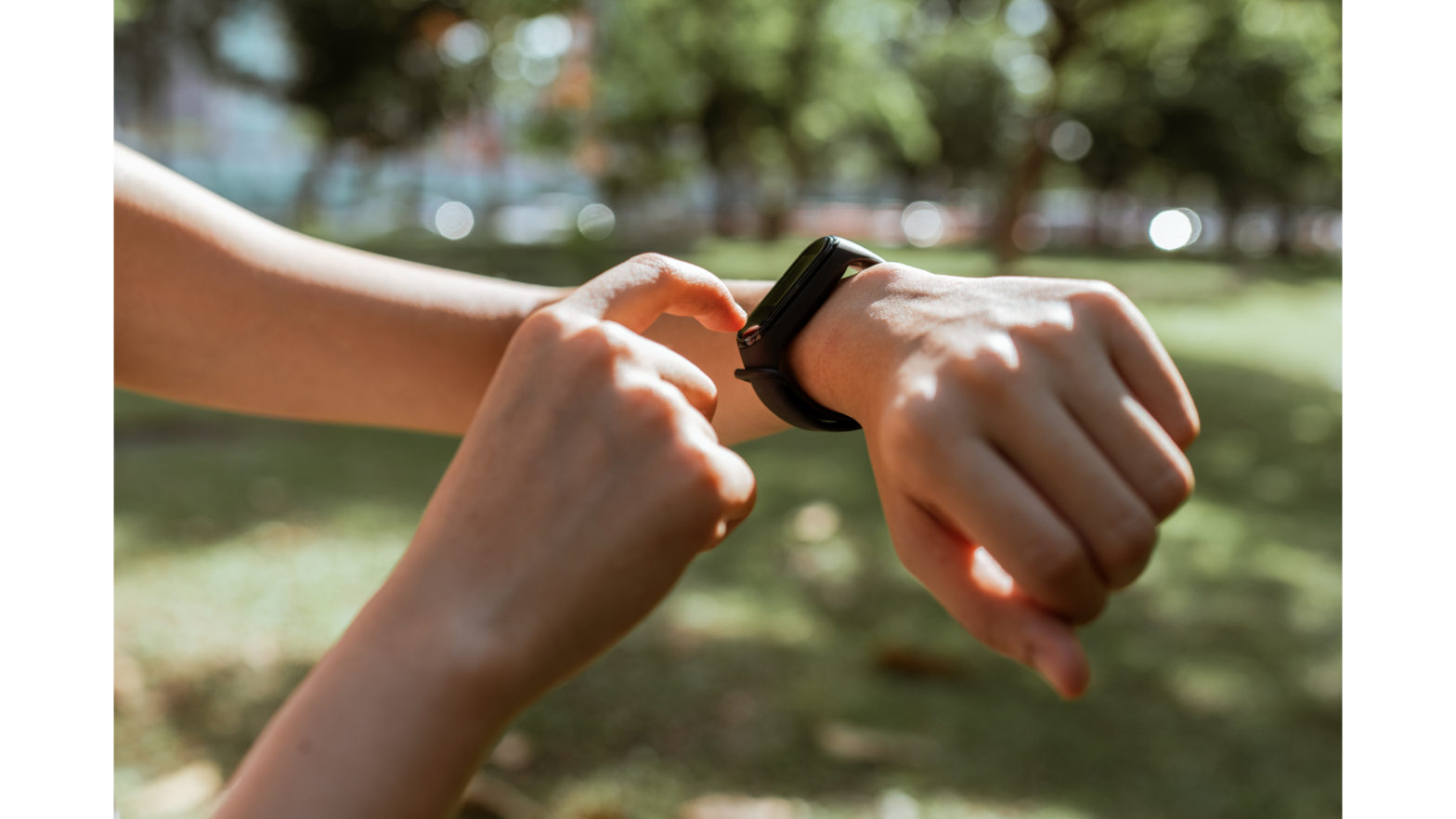
Wearable technology has moved far beyond counting steps. In 2026, the best devices don’t just collect data — they help change behavior, detect health risks early and support measurable improvements in sleep, fitness, heart health and stress management.
But not all wearables are created equal. The most effective ones are backed by clinical research, offer meaningful insights (not just notifications) and help users take actionable steps.
Here are five types of wearables that are genuinely improving health outcomes — not just tracking them.
1. Smartwatches with Advanced Heart Monitoring
Modern smartwatches have evolved into compact cardiovascular monitoring systems. Beyond step counts and calorie tracking, many now offer:
- Continuous heart rate monitoring
- ECG (electrocardiogram) capability
- Irregular rhythm notifications (such as atrial fibrillation alerts)
- Blood oxygen tracking
Why it matters: Early detection of heart rhythm abnormalities can prompt users to seek medical evaluation sooner. Studies have shown that wearable-detected atrial fibrillation alerts have led to earlier diagnosis and intervention in some patients.
These devices also help users track resting heart rate trends and heart rate variability (HRV), which can reflect stress, recovery and overall cardiovascular fitness.
Health impact: When paired with behavior changes — increased activity, improved sleep and stress management — smartwatches can support measurable heart health improvements.
2. Continuous Glucose Monitors (CGMs) for Metabolic Awareness
Once reserved primarily for people with diabetes, continuous glucose monitors are increasingly used by non-diabetics interested in metabolic health.
CGMs measure glucose levels in real time through a small sensor placed on the skin. Users can see how specific foods, sleep quality, stress and exercise affect blood sugar levels.
Why it matters: Blood sugar spikes and crashes can influence energy, hunger, inflammation and long-term metabolic risk. Real-time feedback encourages smarter food choices and better timing of meals.
Research suggests that awareness alone can significantly improve dietary decisions. Many users report reduced processed carbohydrate intake after seeing their glucose responses.
Health impact: Improved blood sugar stability is linked to lower risk of type 2 diabetes, better weight management and more stable energy levels.
3. Sleep Trackers That Focus on Recovery
Sleep is one of the strongest predictors of long-term health, yet it’s often neglected. Advanced sleep wearables now measure:
- Sleep stages (light, deep, REM)
- Respiratory rate
- Resting heart rate during sleep
- Overnight HRV
- Temperature variation
The most effective devices don’t just report sleep duration — they provide recovery scores and personalized suggestions for improving rest.
Why it matters: Chronic sleep deprivation is associated with increased risk of heart disease, obesity, cognitive decline and mood disorders.
Some wearables can also detect early signs of illness through changes in temperature or resting heart rate, giving users early warning signals.
Health impact: Better sleep quality improves immune function, cognitive performance and metabolic health.
4. Smart Rings for Low-Profile Health Monitoring
Smart rings have emerged as a discreet alternative to wrist-based trackers. Despite their small size, many track:
- Heart rate and HRV
- Sleep cycles
- Body temperature
- Activity levels
Because they’re lightweight and unobtrusive, users often wear them consistently — which improves data accuracy over time.
Why it matters: Consistency is key in health tracking. Devices that are comfortable and easy to wear are more likely to produce reliable long-term trends.
Smart rings are especially effective for sleep and recovery monitoring, making them popular among athletes and professionals seeking performance optimization.
Health impact: Continuous trend monitoring supports stress reduction, improved sleep hygiene and better recovery management.
5. Posture and Movement Correction Devices
Sedentary lifestyles contribute to back pain, poor posture and long-term musculoskeletal issues. New wearable posture trainers gently vibrate when users slouch or remain inactive too long.
Other motion-based wearables focus on guided stretching, mobility exercises or ergonomic feedback for desk workers.
Why it matters: Chronic poor posture can lead to neck pain, reduced lung capacity and long-term spinal issues. Small corrective nudges throughout the day can build healthier habits.
Health impact: Improved posture reduces strain injuries, supports better breathing mechanics and may even enhance focus and energy levels.
What Makes a Wearable Actually Effective?
The real power of wearables lies in behavior change, not just data collection.
Devices improve health when they:
- Provide actionable insights
- Encourage consistency
- Detect early warning signs
- Support measurable goals
- Reduce guesswork around lifestyle habits
A wearable that overwhelms users with metrics but doesn’t guide change may not improve outcomes. The best devices simplify complex health signals into understandable recommendations.
Final Thoughts
Wearables in 2026 are becoming proactive health tools rather than passive trackers. From heart monitoring to glucose awareness and sleep optimization, the right device can help users make smarter decisions every day.
That said, wearables work best as complements to — not replacements for — medical care, regular checkups and healthy lifestyle habits.
The future of health tech isn’t about collecting more data. It’s about turning information into better daily choices — and ultimately, longer, healthier lives.