
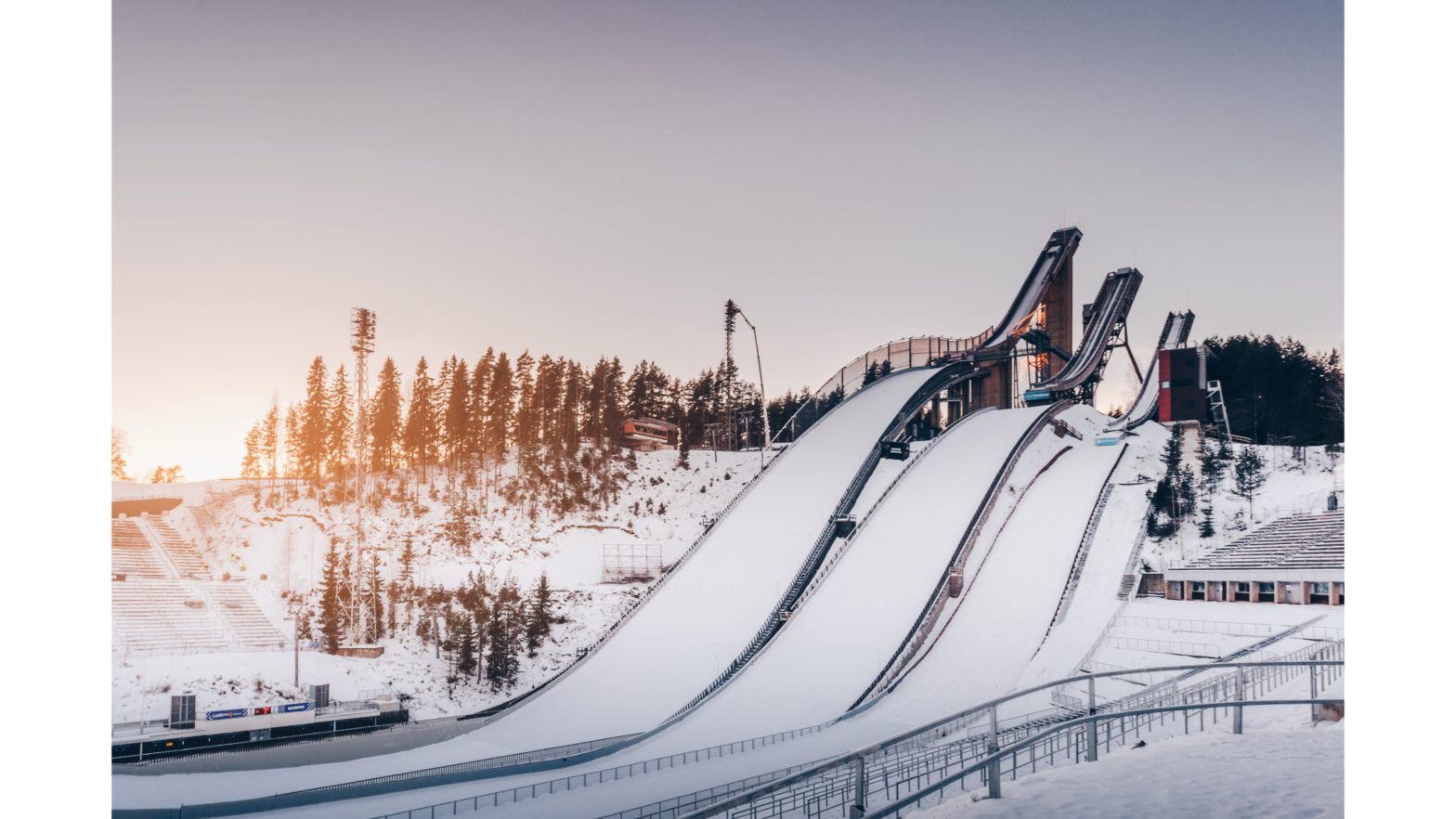
The world’s attention is turning once again to winter sports as the next Winter Olympic Games approach, promising two weeks of elite competition, global spectacle and renewed debate about the future of large-scale sporting events. The Milano Cortina Winter Olympics, set to take place in Italy, will mark the return of the Games to the Alpine region, widely regarded as the birthplace of modern winter sports.
A Return to the Alps
The 2026 Winter Olympics will be co-hosted by Milan and Cortina d’Ampezzo, with events spread across northern Italy. The opening ceremony will be held at Milan’s San Siro Stadium, while the closing ceremony is scheduled for Verona’s historic Roman arena. Alpine venues across Lombardy, Veneto and Trentino-Alto Adige will host skiing, snowboarding and sliding events.
This will be the first Winter Olympics held in the Alps since the 2006 Turin Games. Organizers say the choice reflects a shift toward using existing venues rather than building large numbers of new facilities, an approach aimed at reducing costs and environmental impact.
Sports and Competition Highlights
The Games will feature more than 100 medal events across 16 disciplines, including alpine skiing, cross-country skiing, figure skating, speed skating, ice hockey, snowboarding and ski jumping. Several events will see expanded gender equality, with more mixed-team competitions and balanced quotas for male and female athletes.
Figure skating, freestyle skiing and snowboarding are expected to draw particular attention, as they continue to evolve with higher technical difficulty and younger competitors. Ice hockey tournaments for both men and women are also expected to be marquee events, featuring many of the world’s top professional players.
Athletes and Global Expectations
More than 2,900 athletes from around 90 countries are expected to compete. Traditional winter sports powerhouses such as Norway, Germany, the United States and Canada are projected to dominate the medal table, while countries like Japan, South Korea and China are expected to be strong contenders in skating, snowboarding and short-track speed skating.
For many nations, the Games represent a key moment of generational transition, as veteran Olympians compete alongside rising stars who have grown up in an era of advanced training technology and data-driven performance analysis.
Technology and Sustainability
Technology will play a significant role at the upcoming Games. From advanced snow-making systems and real-time athlete tracking to AI-assisted broadcasting and enhanced viewer experiences, organizers aim to showcase how innovation can improve both competition and fan engagement.
Sustainability is also a central theme. Organizers have pledged to rely heavily on existing infrastructure, limit permanent construction and offset carbon emissions linked to transportation and logistics. While critics remain skeptical, the Milano Cortina model is being closely watched as a potential blueprint for future Olympics.
Security and Logistics
With events spread across multiple cities and mountain locations, security and transportation planning are major challenges. Italian authorities are coordinating closely with international agencies to manage crowd safety, cybersecurity risks and travel flows, particularly during peak competition days.
Why These Games Matter
Beyond medals and records, the upcoming Winter Olympics reflect broader shifts in how global sporting events are planned and perceived. Rising costs, environmental concerns and changing viewer habits are forcing the Olympic movement to adapt. Milano Cortina’s decentralized, sustainability-focused approach may influence how future host cities are chosen.
As the countdown continues, the Games promise not only world-class athletic performances but also insight into how the Olympics are evolving in a rapidly changing world.