
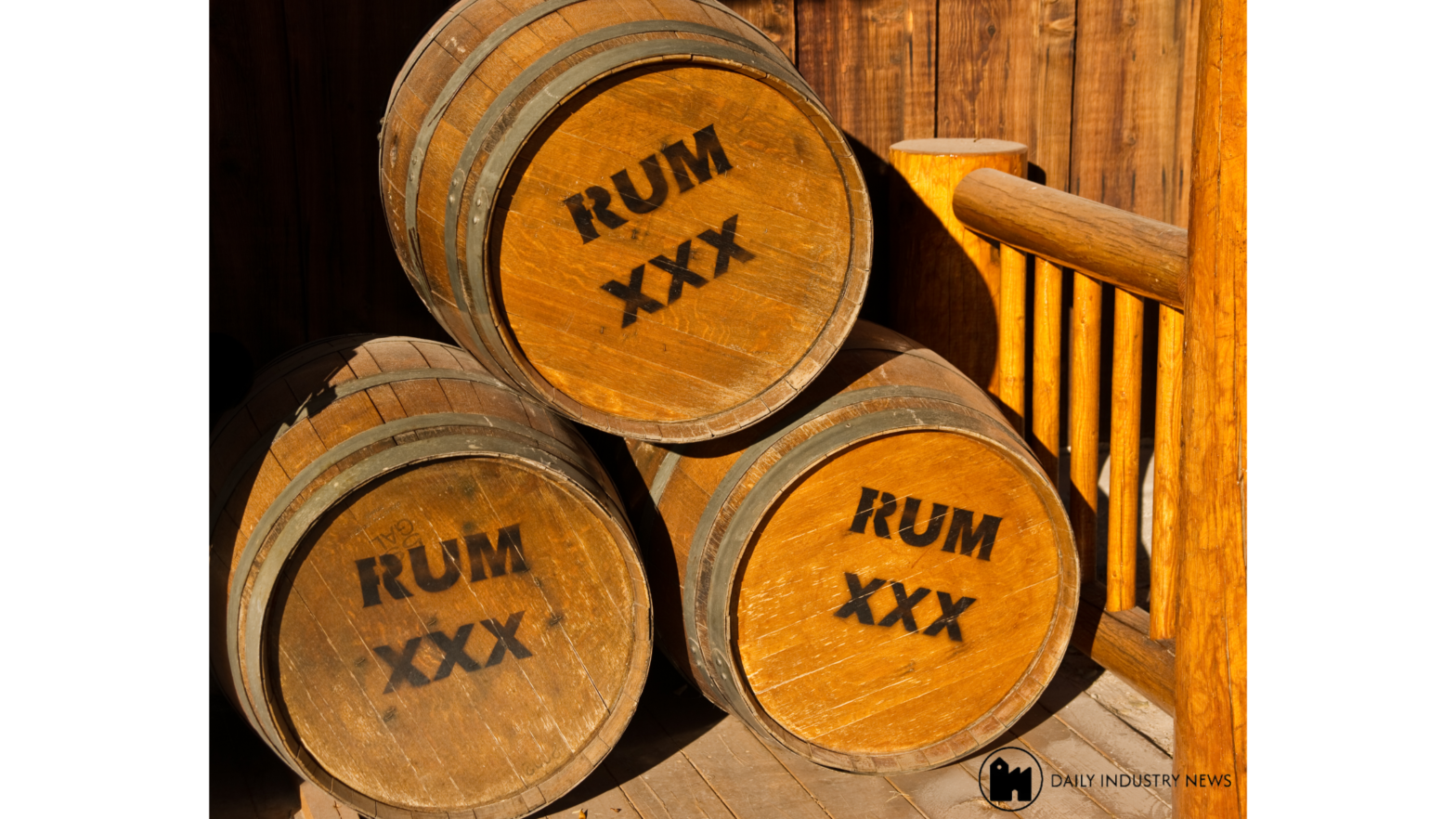
Naha, Okinawa — As demand for Okinawa’s traditional rice spirit awamori continues to decline, some local distilleries are exploring new ways to adapt. One emerging path is rum production, which is beginning to attract attention among both producers and drink enthusiasts.
For Akira Nakazato, manufacturing manager at Mizuho Distillery, the idea of producing a new type of spirit had been developing for some time. Mizuho is one of Okinawa’s oldest awamori makers, but like many producers in the region, it has faced challenges as consumer preferences change.
Changing Drinking Habits
Nakazato notes that drinking culture in Okinawa has shifted significantly over the years. In the past, a typical night out often began with beer before moving on to awamori, the local distilled drink made from rice.
Today, however, the range of alcohol available to consumers has expanded dramatically. Access to global products through international trade and online information has introduced drinkers to a wider variety of spirits and cocktails.
With so many alternatives now available, awamori has struggled to maintain the same level of popularity it once enjoyed.
Distilleries Searching for New Opportunities
The decline in awamori sales has pushed local distilleries to rethink their strategies. Some producers are experimenting with different approaches to stay competitive in a changing market.
For example, certain distilleries have begun working with imported whisky or newly distilled spirits, blending and aging them locally to participate in the growing global interest in Japanese whisky.
Others are taking a more creative route by adding modern flavors to traditional recipes. Fruit-based variations of awamori, including mango and passionfruit infusions, have appeared in bars and cocktail menus aimed at younger drinkers.
Rum Emerges as a New Possibility
Another promising direction is rum production. Okinawa’s climate and agricultural environment make it well suited for sugarcane cultivation, which is the main ingredient in rum. This natural advantage has encouraged some producers to experiment with the spirit.
Craft rum made in Okinawa can highlight local ingredients and regional identity, similar to how awamori reflects the islands’ culture and history. By exploring rum production, distillers hope to appeal to international markets while also attracting new domestic consumers.
Balancing Tradition and Innovation
Despite the push toward new products, many distilleries remain deeply connected to the tradition of awamori. For producers like Mizuho, the goal is not to replace the classic spirit but to expand their portfolio and adapt to changing tastes.
Innovation allows these historic distilleries to remain relevant while preserving the craftsmanship and heritage that define Okinawa’s distilling culture.
A New Chapter for Okinawan Spirits
As the global spirits market continues to evolve, Okinawan distillers are experimenting with fresh ideas to ensure their survival and growth. Rum, flavored liqueurs and locally produced whisky are all part of this transformation.
While awamori remains a central symbol of Okinawa’s identity, the rise of new spirits suggests that the region’s distilling tradition is entering a new and creative phase.