
Amid rising geopolitical tensions in the Middle East, global shipping routes continue to face uncertainty—especially around one of the world’s most critical chokepoints, the Strait of Hormuz.
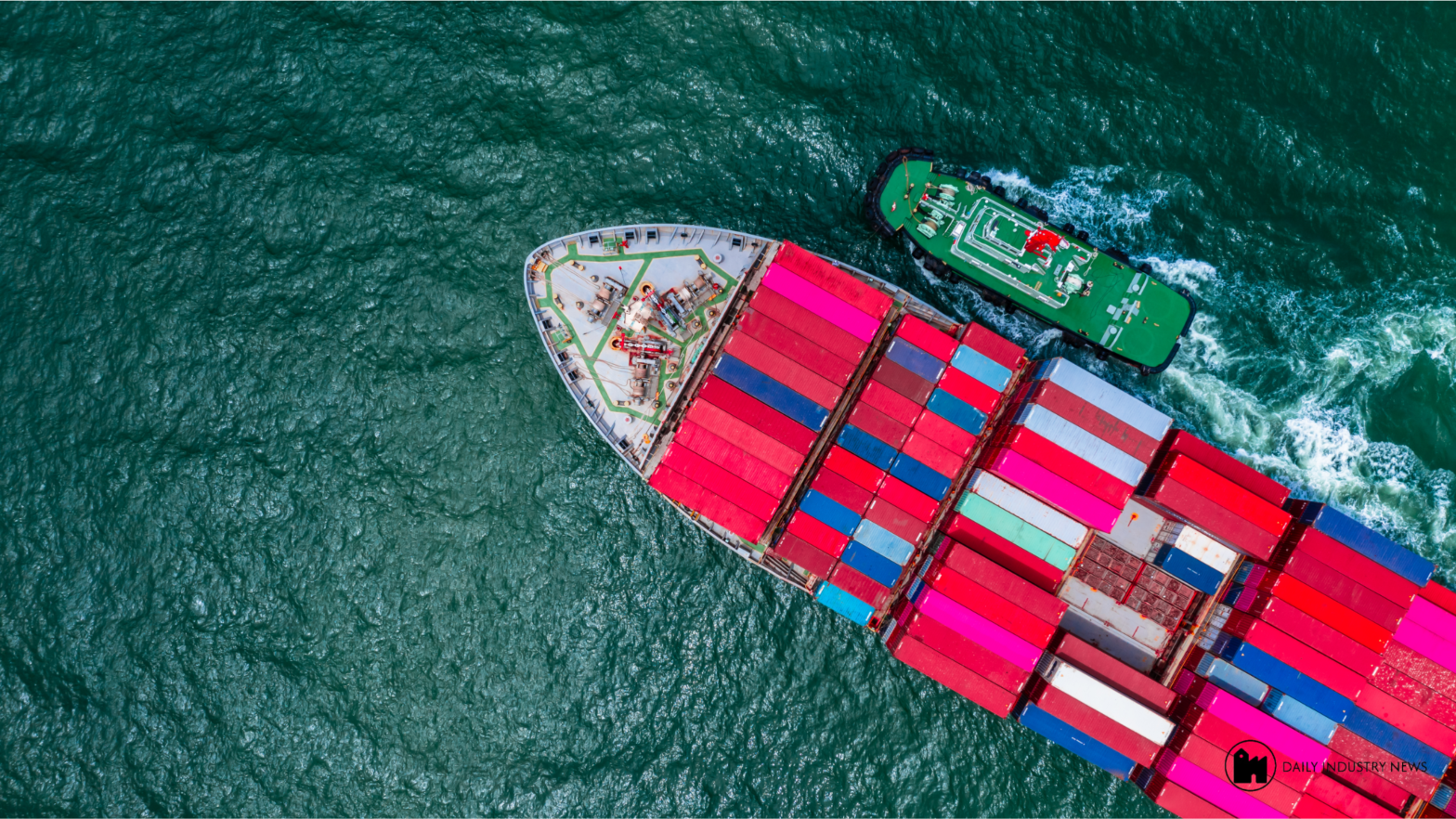
Recent data indicates that Chinese container ships have managed to pass through the strait after an initial unsuccessful attempt. The delayed transit highlights the growing risks and operational challenges faced by commercial vessels navigating the region.
The Strait of Hormuz is a vital artery for global trade, particularly for oil and gas shipments. Any disruption in this narrow passage can have ripple effects across international markets, influencing energy prices and supply chains worldwide.
While details around the initial failed attempt remain limited, the successful second passage suggests that conditions—whether related to security concerns, military activity, or logistical constraints—may have temporarily prevented safe transit. Shipping companies often need to carefully time their movements in such situations, balancing safety with economic urgency.
The episode comes at a time when tensions involving Iran and Western powers have heightened concerns over maritime security in the region. Increased military presence and the risk of escalation have made the passage through Hormuz more complex than usual.
For China, which relies heavily on energy imports passing through this route, maintaining steady access is crucial. The successful navigation of these ships, even after delays, underscores the resilience of global trade networks—but also their vulnerability to geopolitical instability.
As uncertainty lingers, shipping companies and governments alike will continue to monitor the situation closely. The Strait of Hormuz remains open—but as this incident shows, it is far from risk-free.
Chinese Container Ships Successfully Navigate Strait of Hormuz on Second Attempt
Amid rising geopolitical tensions in the Middle East, global shipping routes continue to face uncertainty—especially around one of the world’s most critical chokepoints, the Strait of Hormuz.
Recent data indicates that Chinese container ships have managed to pass through the strait after an initial unsuccessful attempt. The delayed transit highlights the growing risks and operational challenges faced by commercial vessels navigating the region.
The Strait of Hormuz is a vital artery for global trade, particularly for oil and gas shipments. Any disruption in this narrow passage can have ripple effects across international markets, influencing energy prices and supply chains worldwide.
While details around the initial failed attempt remain limited, the successful second passage suggests that conditions—whether related to security concerns, military activity, or logistical constraints—may have temporarily prevented safe transit. Shipping companies often need to carefully time their movements in such situations, balancing safety with economic urgency.
The episode comes at a time when tensions involving Iran and Western powers have heightened concerns over maritime security in the region. Increased military presence and the risk of escalation have made the passage through Hormuz more complex than usual.
For China, which relies heavily on energy imports passing through this route, maintaining steady access is crucial. The successful navigation of these ships, even after delays, underscores the resilience of global trade networks—but also their vulnerability to geopolitical instability.
As uncertainty lingers, shipping companies and governments alike will continue to monitor the situation closely. The Strait of Hormuz remains open—but as this incident shows, it is far from risk-free.