
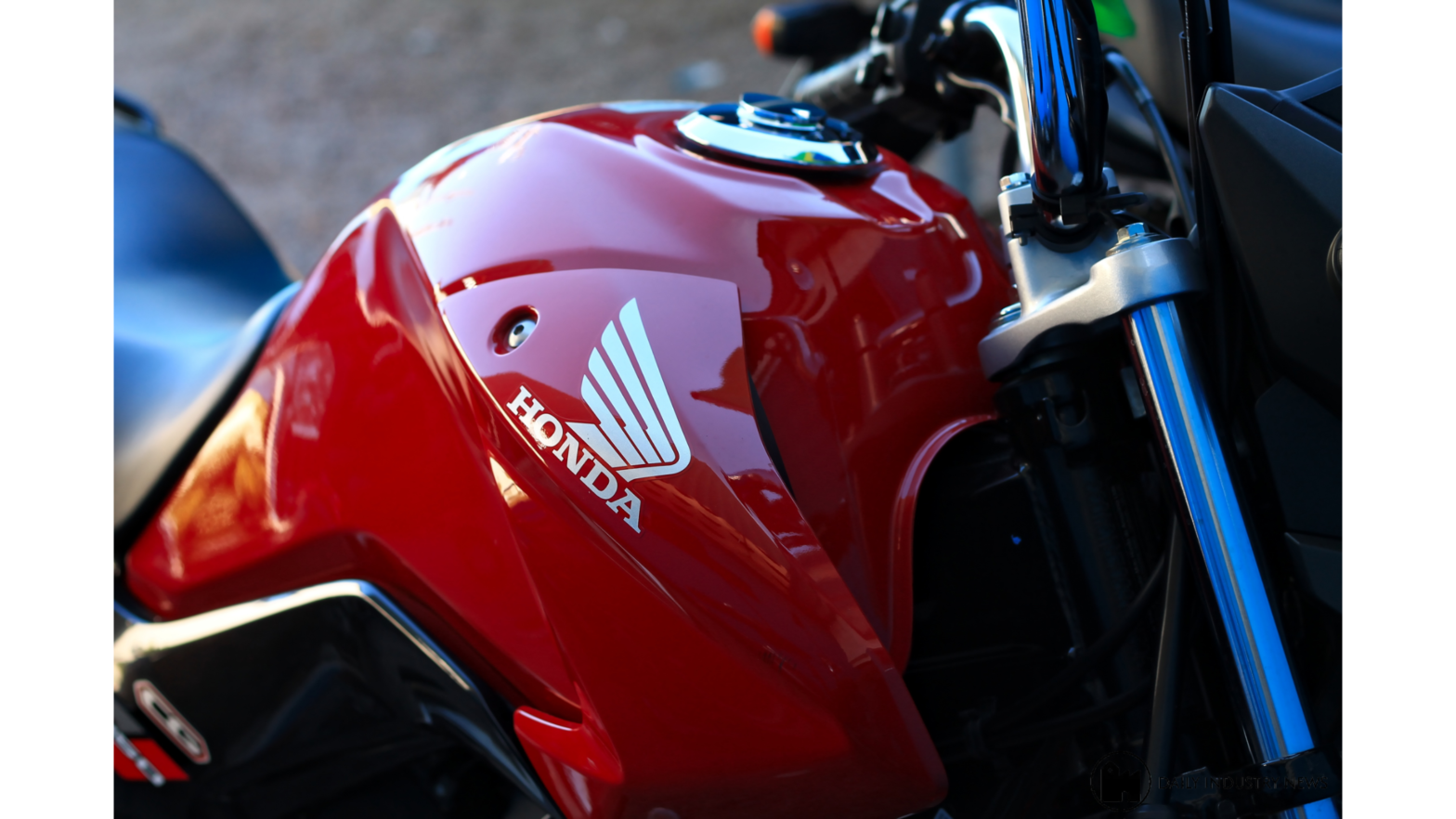
For decades, motorcycles have been the quiet engine powering Honda Motor. While the company’s cars often dominate headlines, it’s the two-wheeler division that has consistently delivered strong profits. Now, however, even this dependable pillar is beginning to feel the strain.
Honda’s struggles in the electric car space have raised the stakes across its entire business. Missteps in adapting to the shift toward electric vehicles have put pressure on leadership to avoid repeating similar errors—especially in motorcycles, where the company still holds a commanding global presence.
The scale of that dominance is remarkable: roughly one in every three motorcycles sold worldwide carries the Honda badge. Despite contributing less than 20% of total sales volume, the division generates the bulk of the company’s operating profit. In many ways, motorcycles have been Honda’s financial safety net.
But that advantage is no longer guaranteed.
A new wave of competition is emerging, particularly from Chinese manufacturers producing affordable electric bikes. These e-bikes are rapidly gaining traction in markets where Honda has traditionally been strong, offering lower costs and aligning with the global push toward electrification.
At the center of this transition is CEO Toshihiro Mibe, who is expected to outline a broader turnaround strategy. While much of the attention will be on fixing the company’s car business, investors are equally concerned about protecting its most reliable profit driver.
The challenge is clear: Honda must successfully navigate the shift to electric mobility—not just for cars, but for motorcycles as well. Failing to do so could weaken the very division that has long kept the company stable.
As the industry evolves, Honda’s future may depend on whether it can reinvent its iconic two-wheel business without losing the edge that made it a global leader in the first place.