
Walking through supermarket aisles filled with Japanese writing, imported snacks, premium seafood and regional produce is no longer an experience reserved for people living in Japan. Across parts of the United States, especially on the West Coast, more consumers are turning to Japanese grocery stores for everyday shopping.
What was once considered a niche retail experience aimed primarily at Japanese expatriates and Asian communities is increasingly becoming mainstream. American shoppers are embracing Japanese supermarkets not only for specialty ingredients but also for the shopping experience itself, which many describe as cleaner, more organized and centered on quality.
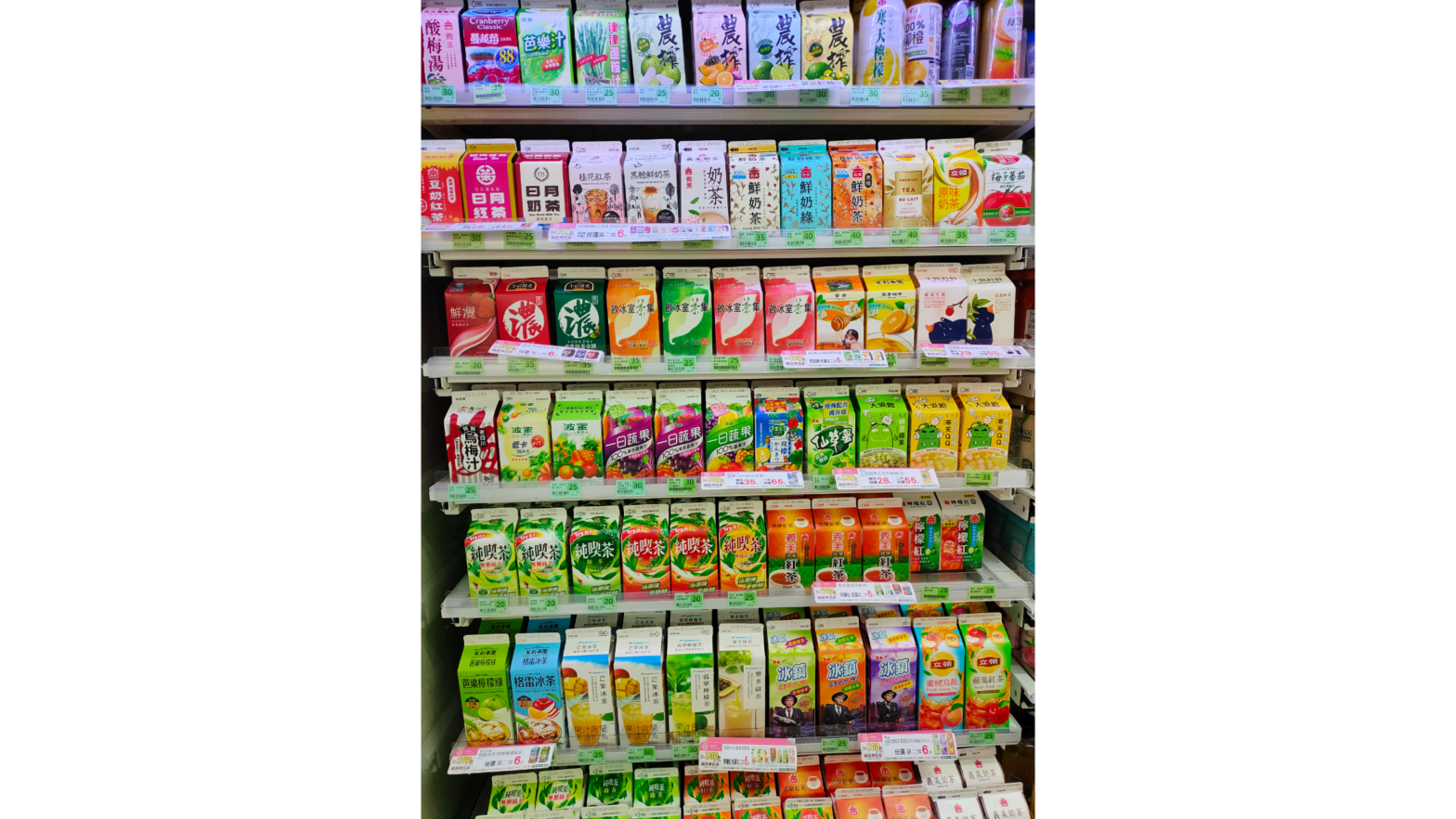
Inside these stores, customers browse shelves stocked with products commonly associated with Japanese households — from green tea and fresh seafood to packaged meals, sauces, desserts and seasonal fruits. Some supermarkets even feature premium produce imported directly from Japan, giving shoppers access to items that were once difficult to find outside the country.
Fresh seafood sourced through Japan’s renowned fish markets and carefully packaged ready-to-eat meals have become major attractions, particularly for customers seeking restaurant-quality ingredients or healthier food options. Japanese strawberries, matcha products, rice varieties and convenience-style prepared meals are also drawing growing attention.
The rising popularity of Japanese cuisine in America has played an important role in this trend. As sushi, ramen, Japanese curry and home-style dishes become increasingly familiar to U.S. consumers, demand for authentic ingredients has expanded beyond restaurants and into household kitchens.
At the same time, many shoppers are discovering that Japanese supermarkets offer something different from conventional grocery chains: an emphasis on freshness, presentation and variety. Prepared meals are often packaged with precision, produce is carefully displayed and seasonal offerings frequently rotate, creating a shopping environment that feels distinct from mainstream supermarkets.
California has emerged as a major center for this retail growth, with Japanese grocery chains expanding both store footprints and locations to meet rising demand. Larger stores are opening with broader product selections, attracting not only Japanese-American consumers but also curious food enthusiasts and families looking for premium international products.
For some shoppers, these supermarkets offer a cultural experience as much as a grocery run. Browsing signs written in Japanese, exploring unfamiliar products and discovering regional specialties can feel like a small taste of travel without leaving home.
Social media and food influencers have further accelerated interest by showcasing Japanese snacks, ready-made meals and specialty ingredients, turning once-obscure grocery finds into popular purchases.
As interest in international food cultures continues to grow, Japanese supermarkets appear well-positioned to become an even more familiar part of the American retail landscape. What was once a specialized shopping destination is increasingly becoming a regular stop for consumers seeking quality, variety and a connection to Japanese food culture.