
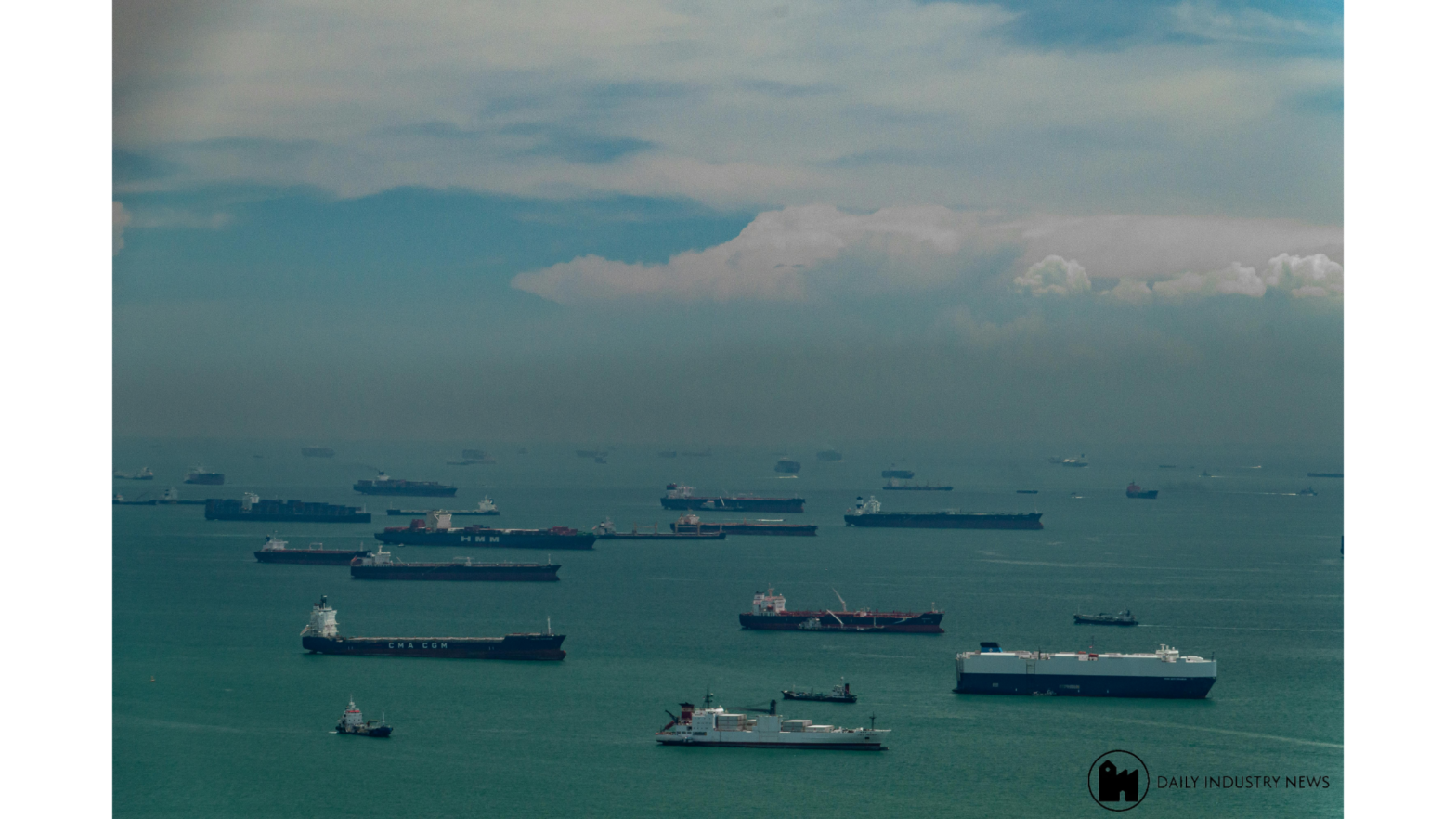
Rising tensions involving Iran are no longer confined to one region—they are sending shockwaves across the global economy, energy markets, and geopolitical stability. As the situation evolves, its consequences are being felt far beyond the Middle East.
Energy Markets Under Pressure
One of the most immediate impacts is on global oil supply. The Strait of Hormuz, a narrow but vital shipping route near Iran, handles a significant share of the world’s oil transport. Any disruption in this corridor quickly drives up crude prices, increasing fuel costs worldwide. Countries heavily dependent on imported energy—especially in Asia—are particularly vulnerable to these fluctuations.
Global Trade Disruptions
Shipping routes linked to the Gulf region are critical for international trade. Heightened risks or restrictions in these waters can delay cargo movement, raise insurance costs, and create supply chain bottlenecks. Industries relying on petrochemicals, plastics, and fertilizers may face shortages or higher production costs as raw material flows become uncertain.
Economic Uncertainty
As oil prices climb, inflationary pressures tend to follow. Higher transportation and manufacturing costs often translate into more expensive goods and services. For many economies already dealing with slow growth, this adds another layer of strain, potentially affecting employment and consumer spending.
Geopolitical Tensions Intensify
The Iran crisis also deepens divisions among global powers. Different countries have varying strategic and economic interests in the region, making coordinated responses difficult. This can lead to prolonged instability, with ripple effects on international diplomacy and security alliances.
Impact on Emerging Industries
Interestingly, ongoing energy instability may accelerate investment in alternatives. Renewable energy, electric vehicles, and energy storage technologies could see increased attention as countries look to reduce reliance on volatile fossil fuel supplies.
Everyday Consequences
For individuals, the effects are often most visible in rising fuel prices and increased living costs. Businesses, especially small enterprises, may struggle with higher operating expenses, while consumers adjust their spending habits in response.
Looking Ahead
The full impact of the Iran crisis will depend on how the situation unfolds. While short-term disruptions are already evident, prolonged instability could reshape energy strategies, trade patterns, and geopolitical alignments for years to come.