
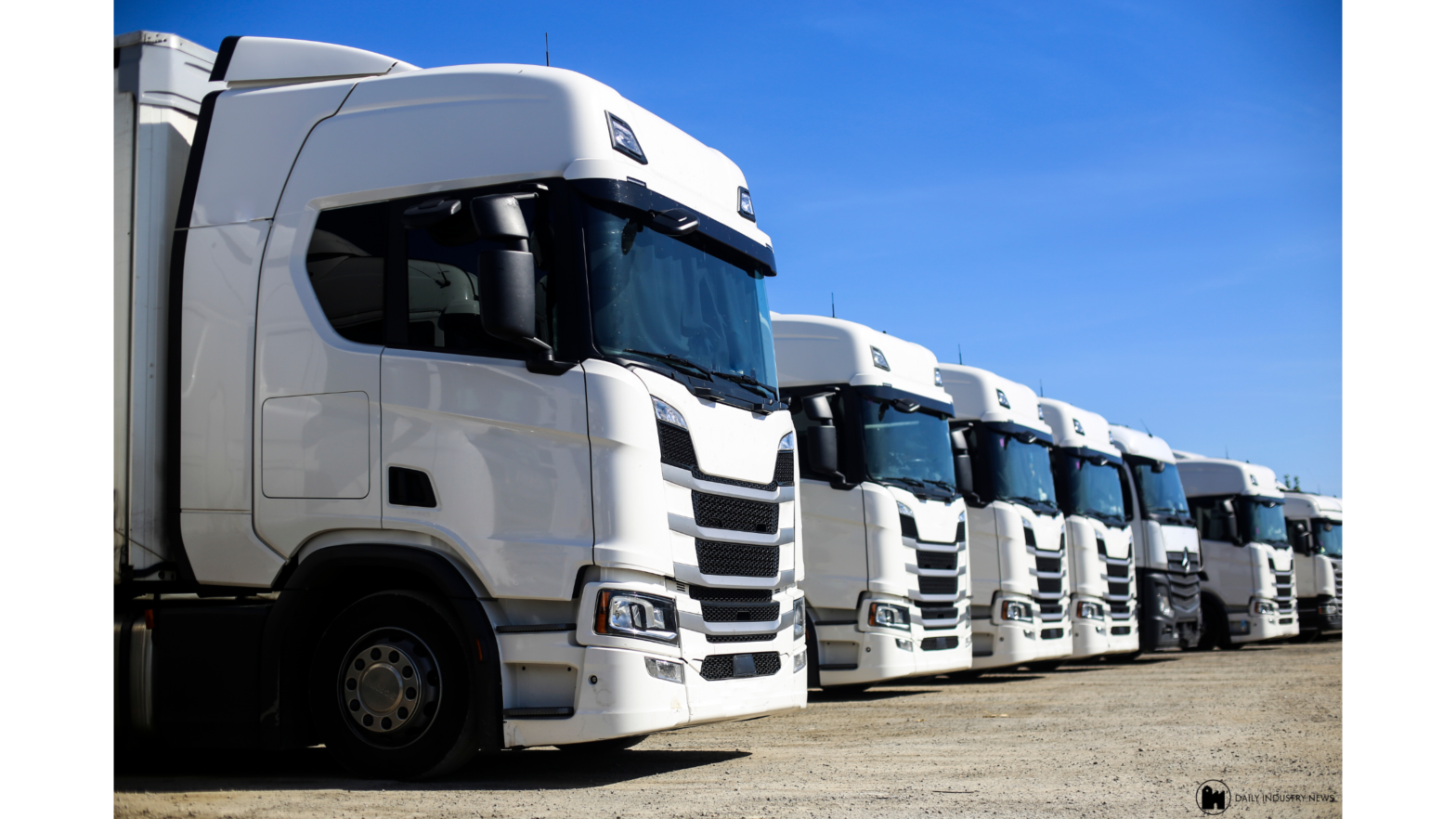
The ongoing conflict involving Iran is reshaping energy dynamics far beyond the region, with ripple effects now influencing transportation trends in China. One notable shift is the accelerating move away from diesel-powered heavy trucks toward electric alternatives.
As diesel prices climb sharply, logistics companies and fleet operators are increasingly turning to electric trucks as a cost-effective solution. Analysts suggest that this trend could significantly reduce fuel demand in the world’s largest oil-importing nation, particularly as operating costs for conventional vehicles continue to rise.
The transition has already been gaining momentum. Over the past two years, electric heavy trucks have evolved from a niche segment into a major हिस्सा of new vehicle purchases. By 2025, they accounted for nearly one-third of all new heavy truck sales, driven by a combination of government incentives, lower refueling costs, and the steady expansion of charging infrastructure.
Growth has remained strong into the current year. Early data indicates that sales of new-energy heavy trucks—primarily electric models—have surged compared to the previous year, with their share of the overall market continuing to increase. This builds on a surge seen late last year, when buyers rushed to take advantage of subsidy programs amid uncertainty over their continuation.
Industry experts believe the current spike in fuel prices could further accelerate this transition. For fleet operators, the economic case for electrification is becoming increasingly compelling, particularly in sectors where fuel expenses represent a significant portion of operating costs.
Beyond immediate financial considerations, the shift also aligns with broader policy goals in China, including reducing emissions and strengthening energy security. As global energy markets remain volatile, the move toward electric transport solutions is likely to gain further traction.
In this context, the Iran-linked energy shock may act as a catalyst, hastening a structural transformation in China’s freight sector and reinforcing the long-term decline in diesel demand.