
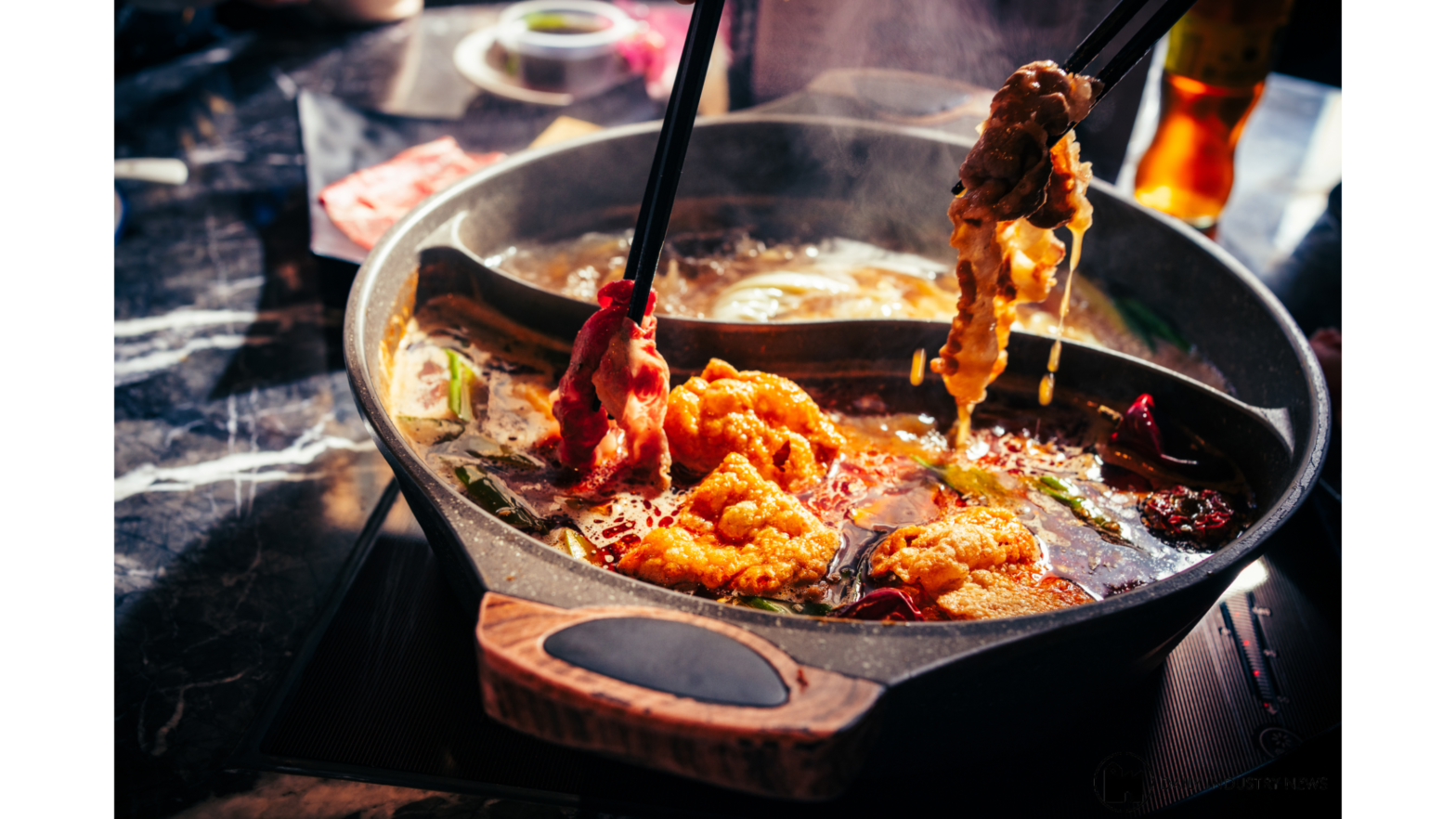
In recent years, huoguo — better known internationally as hot pot — has evolved from a traditional Chinese communal meal into a global dining phenomenon. What was once primarily associated with family gatherings in China is now a fast-growing restaurant category in major cities across Asia, North America, Europe, and Australia.
So what’s behind the worldwide surge in huoguo restaurants?
A Dining Experience, Not Just a Meal
At its core, huoguo is about sharing. Diners sit around a simmering pot of broth placed at the center of the table, cooking thinly sliced meats, seafood, vegetables, tofu, and noodles to their liking. The interactive format encourages conversation and customization, making it especially popular among younger consumers who value experiences as much as flavors.
In an era where social dining and Instagram-worthy moments matter, hot pot delivers both. The bubbling broth, artfully plated ingredients, and personalized dipping sauces create a visual and participatory appeal that many modern restaurant concepts aim to replicate.
Regional Styles Go Global
Different regions in China have long offered their own variations of hot pot. Sichuan-style huoguo is famous for its fiery, numbing spice derived from chili peppers and Sichuan peppercorns. Meanwhile, Cantonese versions often focus on lighter broths that highlight the freshness of seafood and premium ingredients.
As huoguo expands internationally, these regional identities are traveling with it. Diners in cities like London, New York, and Sydney can now choose between intensely spicy broths or delicate herbal bases, depending on their taste preferences. This diversity helps broaden the cuisine’s appeal beyond a niche audience.
Adaptation to Local Markets
One key factor driving the global growth of huoguo restaurants is adaptability. While traditional ingredients remain central, many establishments adjust their menus to suit local tastes and dietary trends.
Plant-based options have become more prominent, catering to vegetarian and vegan customers. Premium beef cuts and seafood selections attract upscale diners, while buffet-style formats appeal to value-seeking groups. Some chains have even incorporated individual hot pots to accommodate solo diners, a growing demographic in urban areas.
Strong Brand Expansion
Several major restaurant groups have accelerated the international presence of huoguo. For example, Haidilao has expanded aggressively outside China, opening locations across Asia, North America, and Europe. Known for its customer service — which can include complimentary snacks, manicures, and entertainment while waiting — the brand has helped elevate hot pot from a casual meal to a premium dining experience.
Other regional brands and independent restaurateurs have followed, contributing to a diverse and competitive global hot pot scene.
Post-Pandemic Social Revival
The communal nature of huoguo also aligns with a broader post-pandemic return to social dining. After years of limited gatherings, consumers are increasingly drawn to meals that emphasize connection and shared experience. Sitting around a steaming pot encourages interaction in a way that individual plated meals often do not.
At the same time, improvements in ventilation systems and individual broth compartments have helped address earlier health concerns, making the format more adaptable to modern dining expectations.
A Lasting Culinary Trend?
While food trends often come and go, huoguo’s rise appears to have staying power. Its flexibility, cultural richness, and interactive format make it well-suited to evolving global dining habits. As supply chains improve and awareness of regional Chinese cuisines deepens, even more variations of hot pot may enter international markets.
From bustling megacities to emerging culinary hubs, huoguo restaurants are proving that a centuries-old tradition can thrive in the modern world — one bubbling pot at a time.