
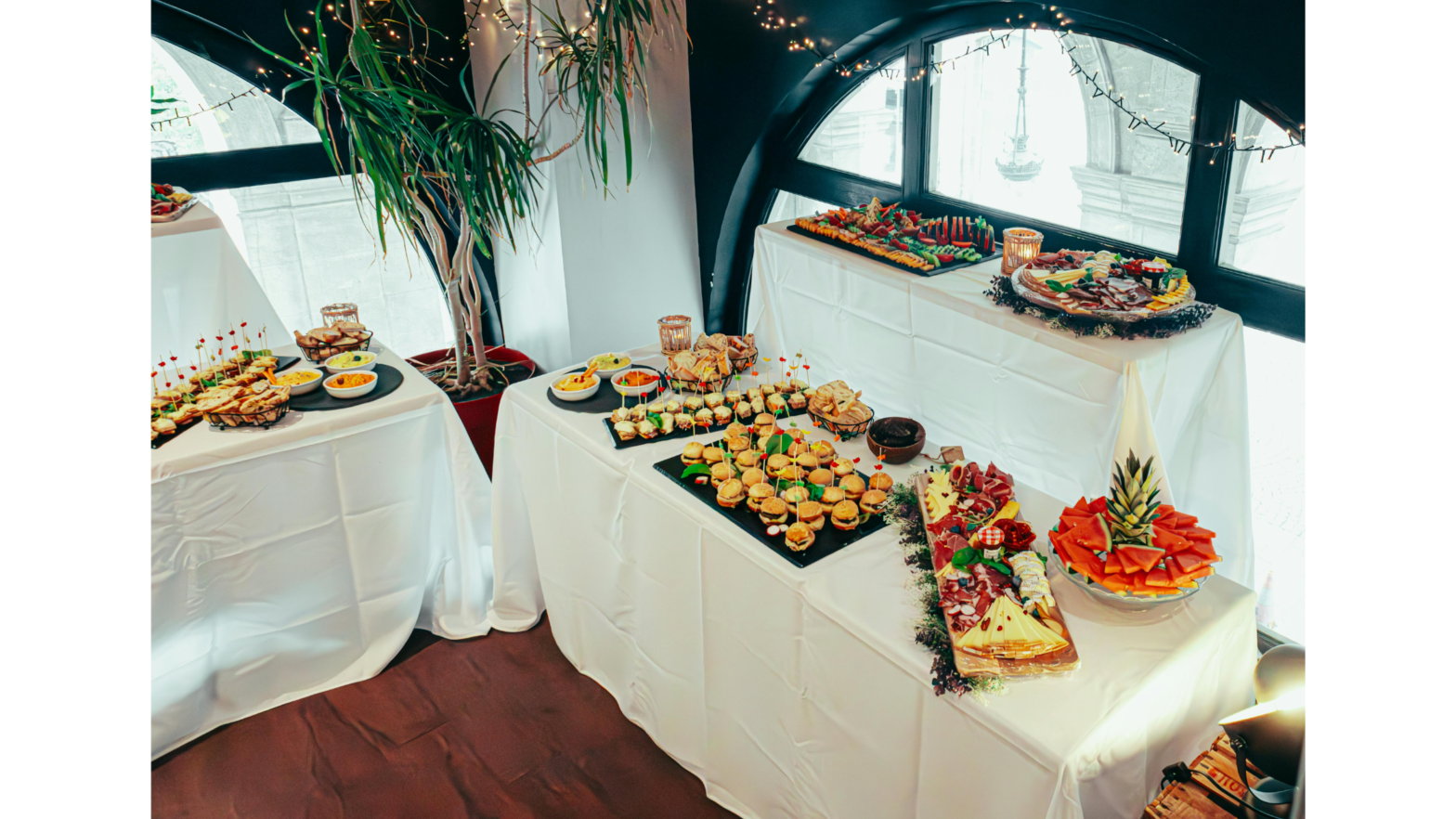
Food inflation is reshaping how Americans dine out, with many consumers opting for smaller, lower-cost menu items instead of full meals. New restaurant supply-chain data shows appetizer orders are rising sharply, even as sales of entrees and desserts stagnate or decline — a trend industry watchers are calling the “appetizer economy.”
According to Buyers Edge, appetizer orders are up roughly 20% year over year, with especially strong growth in items like mozzarella sticks, pickle chips, and cheese curds, each posting gains of more than 30%. In contrast, dessert orders have slipped slightly, underscoring a broader shift toward restrained spending.
The trend reflects pressure from a so-called K-shaped economy, where higher-income consumers continue to spend while lower- and middle-income diners cut back. Even those still visiting restaurants are seeking value, often gravitating toward appetizers tied to promotions or drink specials.
Restaurant operators are also adapting. Frozen and shelf-stable appetizers are gaining favor because they reduce waste and help manage unpredictable demand. At the same time, rising food costs are pushing both restaurants and grocers toward private-label products, which offer savings of 10% to 20% compared with national brands.
While overall inflation has eased from recent highs, food prices — especially for meals eaten outside the home — remain elevated. With limited relief expected in the near term, industry experts say value-focused dining habits are likely to persist, keeping smaller portions and shared plates firmly on the menu.