
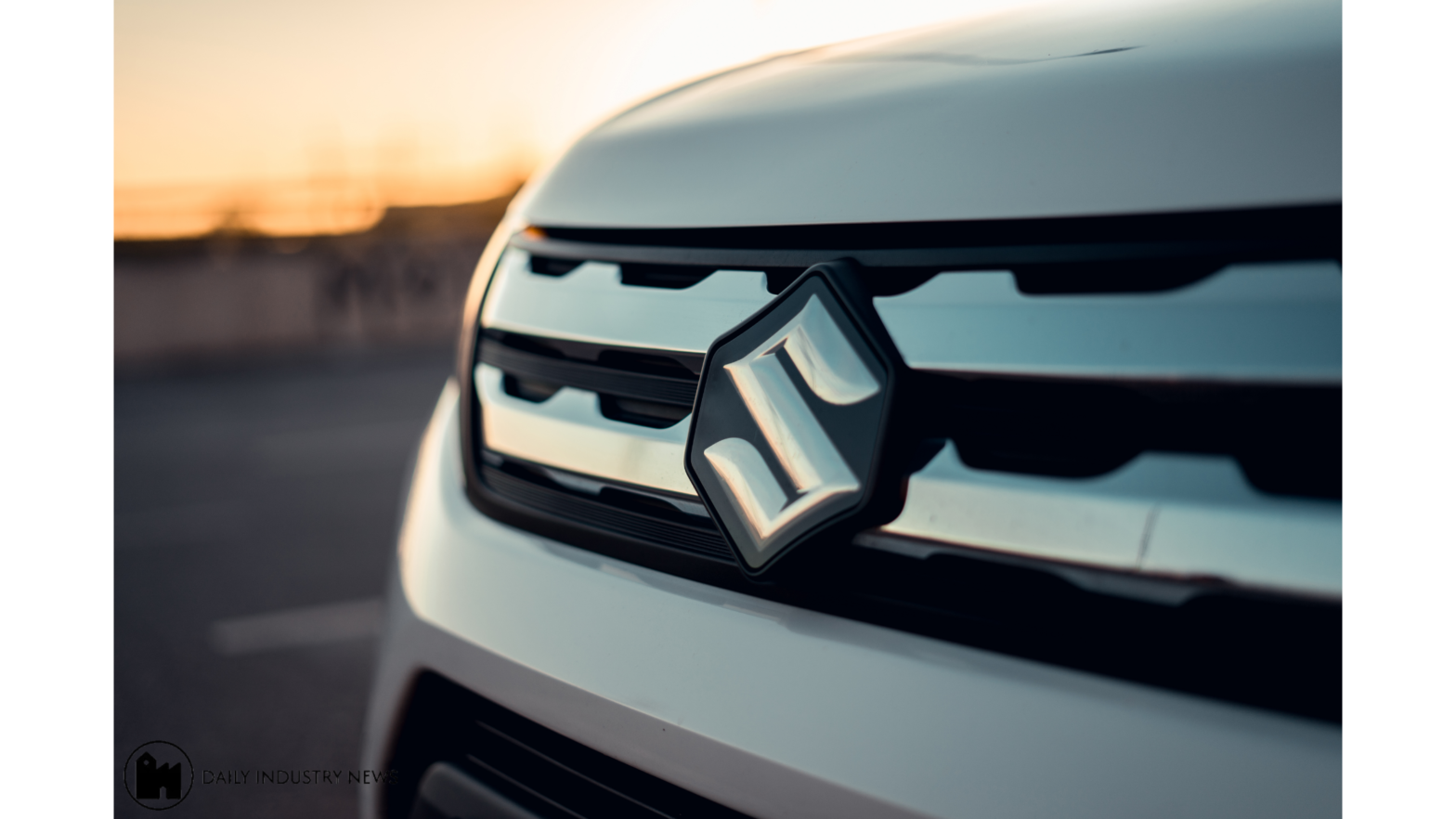
For decades, affordable and fuel-efficient vehicles helped Maruti Suzuki become the undisputed leader of India’s automobile industry. By offering reliable cars at accessible prices, the company played a major role in making car ownership possible for millions of Indian families.
Today, however, India’s rapidly evolving automotive market is presenting new challenges. As incomes rise and consumer expectations change, buyers are increasingly seeking vehicles that offer greater comfort, advanced technology, and premium features, prompting a shift in the competitive landscape.
A Legacy Built on Affordability
Maruti Suzuki established its reputation by focusing on practical transportation that was economical to purchase, maintain, and operate. Its compact hatchbacks became synonymous with first-time car ownership and dominated Indian roads for decades.
The company’s strategy of delivering dependable vehicles with low running costs enabled it to capture a substantial share of India’s passenger vehicle market, making it one of the country’s most successful automotive brands.
Consumer Expectations Are Evolving
India’s growing middle class has transformed the automobile market in recent years. Modern buyers are no longer focused solely on affordability—they are also looking for enhanced safety features, connected technology, stylish designs, automatic transmissions, premium interiors, and larger sport utility vehicles (SUVs).
As disposable incomes increase, purchasing decisions are increasingly influenced by comfort, convenience, and lifestyle preferences rather than price alone.
SUVs and Premium Models Gain Popularity
One of the biggest shifts in India’s automotive industry has been the rapid rise of SUVs and feature-rich vehicles.
Consumers are increasingly choosing models that offer higher seating positions, spacious cabins, advanced infotainment systems, and driver assistance technologies. This trend has encouraged automakers to expand their premium product portfolios and invest heavily in new vehicle segments.
Manufacturers that have adapted quickly to changing preferences have gained market share in an increasingly competitive environment.
Growing Competition Intensifies
India has become one of the world’s largest automobile markets, attracting significant investments from both domestic and international manufacturers.
Automakers are introducing new electric vehicles, hybrid models, connected car technologies, and premium offerings to appeal to changing customer demands. This expanding competition has made it more challenging for long-established market leaders to maintain their historical dominance.
Balancing Value and Innovation
Despite increased competition, affordability remains an important consideration for many Indian consumers. The challenge for automakers is finding the right balance between competitive pricing and offering the features today’s buyers expect.
Manufacturers are increasingly investing in product innovation, improved safety standards, digital technologies, and electrification while working to keep vehicles accessible to a broad customer base.
Adapting to a New Market
Maruti Suzuki has been responding to these industry changes by expanding its lineup beyond traditional small cars. The company has introduced more SUVs, premium models, and vehicles equipped with modern connectivity and safety technologies to better align with evolving consumer preferences.
These efforts reflect the broader transformation taking place across India’s automotive industry as customer expectations continue to rise.
Looking Ahead
India’s automobile market is entering a new phase where affordability alone is no longer enough to secure long-term leadership. Buyers increasingly expect vehicles that combine value with advanced technology, enhanced comfort, and modern design.
For Maruti Suzuki and other manufacturers, future success will depend on their ability to innovate while preserving the qualities that originally earned consumer trust. As India’s automotive sector continues to grow, companies that successfully adapt to changing customer preferences are likely to shape the next chapter of the country’s mobility journey.