
Tokyo’s dining scene in 2025 reflected the city itself — restless, resilient, and constantly reinventing. From quietly refined sushi counters to experimental kitchens pushing the boundaries of technique, the year delivered both excitement and uncertainty for chefs and diners alike. Rising costs, global trade pressures, and a surge in inbound tourism created real challenges, yet creativity flourished across every tier of the food world.
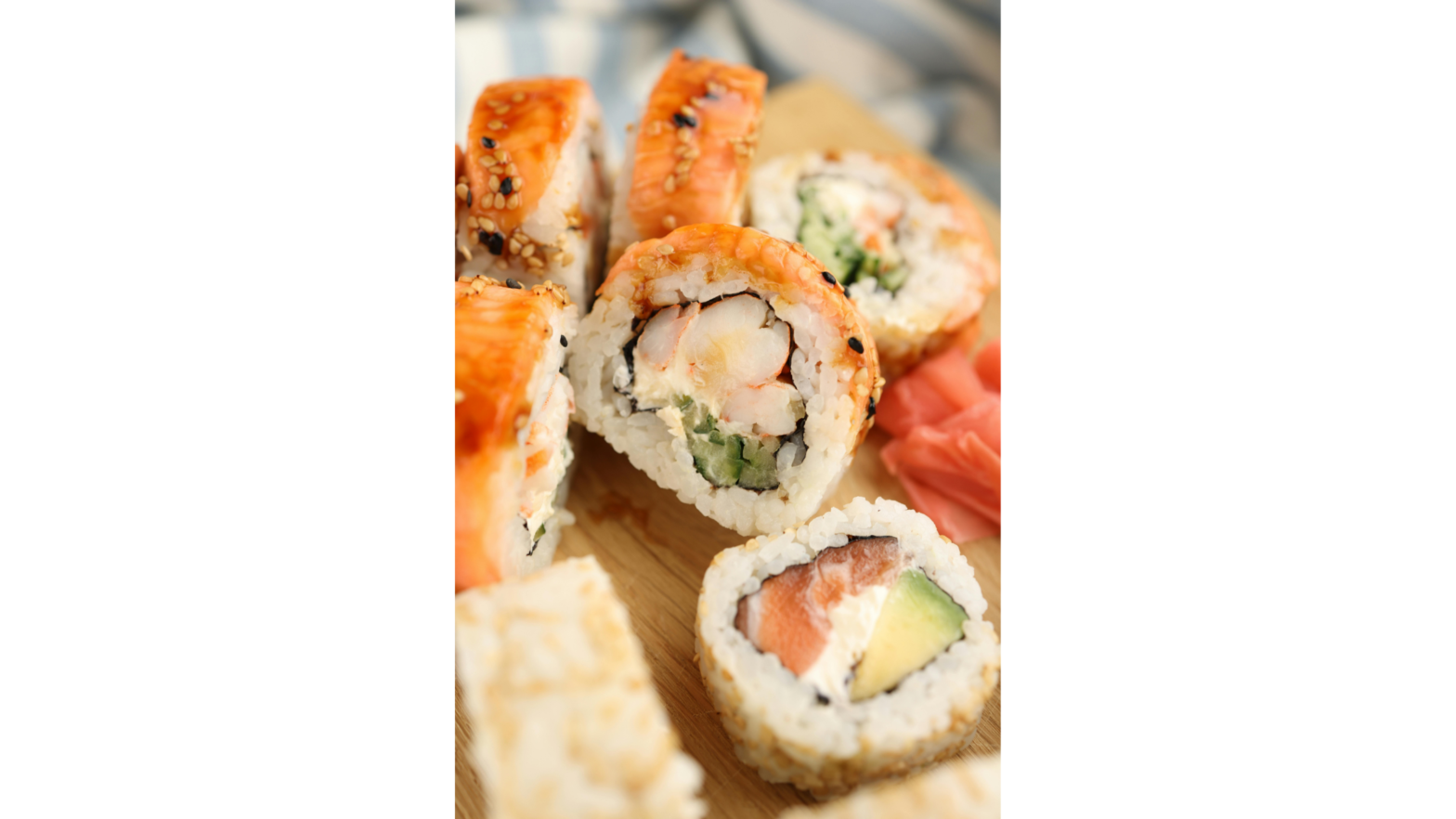
Sushi remained the anchor of Tokyo’s culinary identity, but not in a static or nostalgic way. Chefs continued to experiment with sourcing, aging techniques, and rice preparation, refining an already exacting craft while adapting to higher fish prices and sustainability concerns. At the same time, a wave of cutting-edge restaurants blurred the line between Japanese and global cuisines, incorporating wood-fire cooking, fermentation, and modern plating styles without abandoning a sense of place.
Beyond fine dining, some of the year’s most compelling food experiences emerged in more casual settings. Omusubi rice balls, once viewed as simple convenience fare, enjoyed a renaissance as specialty shops elevated the humble staple with premium rice, regional fillings, and thoughtful presentation. Fermentation also stepped further into the spotlight, appearing not just in miso and pickles but in inventive sauces, drinks, and hybrid dishes that reflected Japan’s deep-rooted preservation culture.
Economic realities shaped the scene as much as culinary trends. Tariffs and rising ingredient costs squeezed margins, forcing many restaurants to rethink menus, portion sizes, and pricing strategies. Meanwhile, record numbers of foreign visitors packed popular districts, boosting demand but also changing the rhythm of dining in some neighborhoods. For long-time residents, the influx brought both energy and a sense of loss as beloved local spots closed or transformed to cater to tourist tastes.
Despite the global attention drawn by Michelin stars and high-profile openings, Tokyo’s true culinary heartbeat remained firmly in the middle ground. Locals continued to gravitate toward places that balanced craftsmanship with accessibility — establishments where quality ingredients, technical skill, and modern flair coexist with warmth and reasonable prices. That balance has long been the city’s secret strength.
At the center of this culinary Venn diagram sits the enduring influence of the izakaya. These casual taverns, with their emphasis on shared plates, seasonal ingredients, and relaxed hospitality, continued to inspire chefs across genres. Whether in a neighborhood counter serving charcoal-grilled fare or a sleek new restaurant reinterpreting classics, the izakaya spirit — informal, flexible, and deeply rooted in everyday life — shaped much of Tokyo’s dining identity in 2025.
The year was marked by both endings and beginnings. Well-loved restaurants said goodbye, while new voices emerged to take their place. Taken together, these shifts underscored a familiar truth: Tokyo’s food scene is never static. In 2025, it proved once again that even in the face of rising costs and rapid change, the city’s culinary culture thrives on adaptation — honoring tradition while continuously redefining what good, satisfying food can be.