
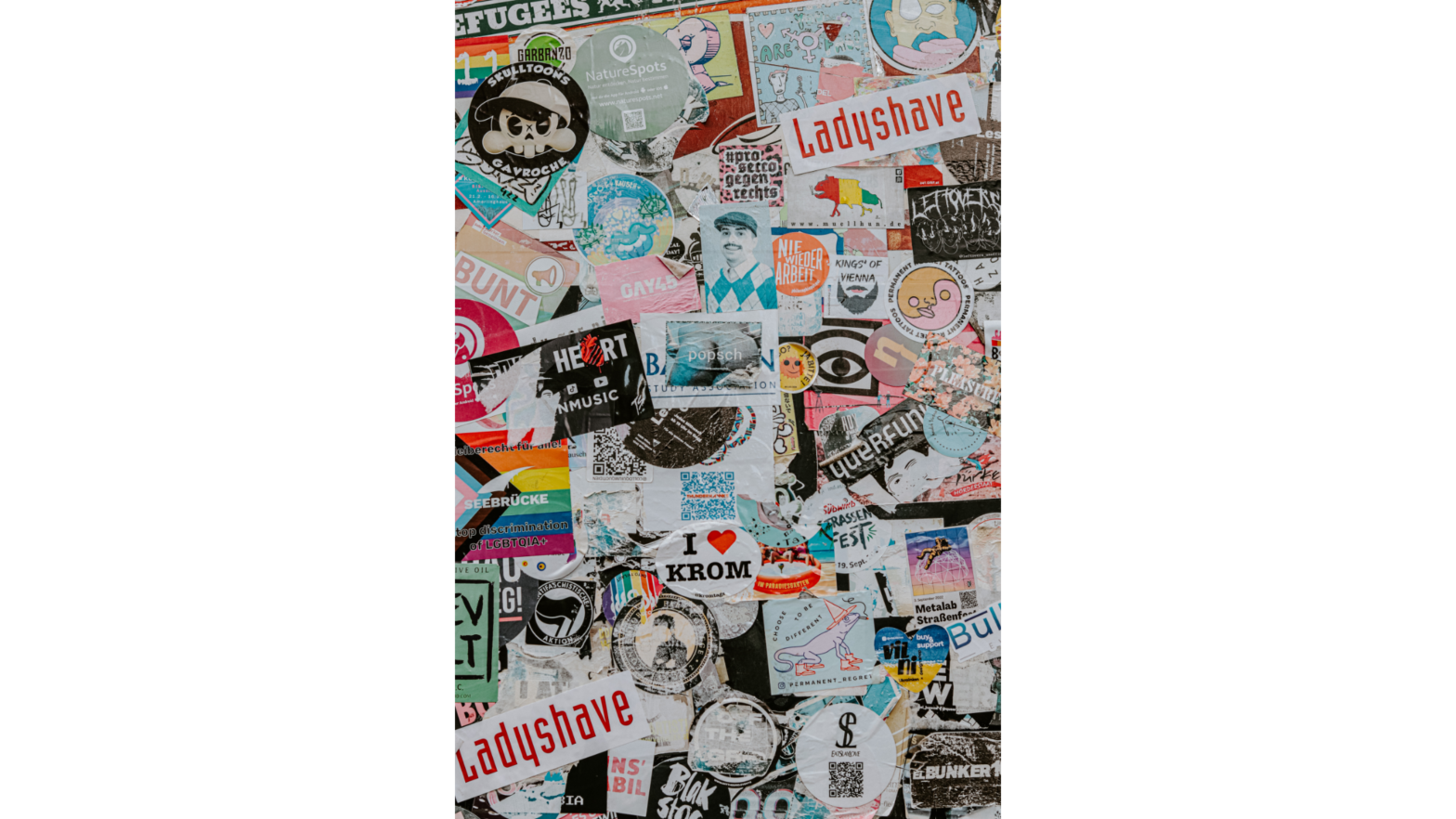
In the run-up to Christmas 2025, many children across Japan made what sounded like a modest and easily fulfilled request: stickers. To parents, it seemed like the perfect gift — inexpensive, harmless, and nostalgic. But as many families quickly discovered, finding certain stickers had become surprisingly difficult.
In recent months, stickers have transformed from simple playthings into one of Japan’s most sought-after commodities. Popular series routinely sell out, secondary-market prices have soared, and parents now swap tips online about restock schedules and hidden retail sources. One widely shared post on social media joked that while money might buy most things, it could not guarantee a pack of the coveted “Bonbon drop” stickers — a sentiment that resonated with tens of thousands of readers.
The sticker boom reflects a broader cultural shift. Children today are growing up in a world saturated with digital entertainment, yet physical collectibles have gained renewed appeal. Stickers offer something screens cannot: tactile satisfaction, the thrill of collecting, and the social currency of trading with friends. Limited editions, themed releases, and mystery packs have turned sticker-buying into a game of chance, fueling demand.
Manufacturers and retailers have leaned into this momentum. Many sticker products are now released in small batches, encouraging repeat purchases and heightening the sense of scarcity. Some are tied to popular characters, seasonal designs, or collaborations with well-known brands, making them attractive not just to children but also to teenagers and adults driven by nostalgia.
Social media has amplified the trend. Photos and videos showcasing rare finds or complete collections circulate widely, turning stickers into shareable status symbols. For parents, this visibility has raised expectations — and pressure — as children arrive armed with specific product names rather than a generic desire for “any stickers.”
The craze has also created a thriving resale market. Certain packs fetch many times their original price online, blurring the line between toy and commodity. While some collectors enjoy the hunt, others worry that the rising cost and artificial scarcity undermine what was once a simple pleasure.
Still, the popularity of stickers speaks to something deeper. In a fast-paced, digital-heavy society, small, tangible joys have gained new meaning. Stickers are inexpensive compared to electronics, easy to share, and rooted in everyday play — yet they carry excitement, identity, and connection.
What began as a humble stocking stuffer has evolved into a cultural moment. In Japan in 2025, stickers are no longer just decorations for notebooks or lunchboxes. They are collectibles, conversation starters, and, for many families, the most unexpectedly elusive gift of the season.